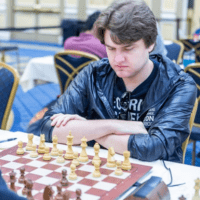
Sean Vibbert - Constructive Chess Feedback
Sean, you've demonstrated solid foundational skills in your recent games, showing good opening knowledge and active piece play. Here are some tailored suggestions to help elevate your performance further:
Strengths
- Opening Preparation: You are comfortable with flexible openings like the Sicilian and Reti systems, and you're not afraid to take on dynamic pawn structures, which indicates a good understanding of opening principles.
- Piece Activity: You've utilized your knights and bishops effectively to create threats and control key squares, especially in the middlegame transitions.
- Endgame Technique: Your ability to push passed pawns and coordinate your king and pieces in endgames shows promising endgame knowledge.
Areas for Improvement
- Tactical Awareness: Review critical moments for tactical inaccuracies. For example, in some games, moves like early exchanges or missed captures could have been improved with precise calculation. Spend additional time practicing tactical puzzles to sharpen this skill.
- King Safety and Timing of Castling: In a few games, the decision of when to castle or how to safeguard your king could be optimized. Prioritize king safety early to avoid sudden attacks, especially during open middlegame positions.
- Handling Counterplay: You’ve encountered opponents who capitalize on pawn breaks and piece activity in your position. Work on recognizing and preempting your opponent's counterplay opportunities.
Practical Recommendations
- Regularly analyze your lost games with the focus on pinpointing where the turning points occurred — understanding these can prevent repetition of similar mistakes.
- Consider studying thematic middlegame ideas for your preferred openings – deepen your understanding of typical plans and pawn structures.
- Use training sessions to improve calculation under time pressure, as several games ended in rapid tactically decisive moments.
Final Thought
Chess improvement is a steady journey. You're laying down a great foundation — keep building on it by combining analysis, focused practice, and practical play. Celebrate your wins, learn from losses, and stay curious about the rich complexities of the game.