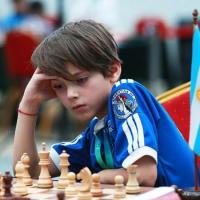
Ilan Schnaider: International Master and Bullet Specialist
Ilan Schnaider, known online as IlanSchnaider, is a FIDE International Master whose chess profile is defined by speed, persistence, and a heroic willingness to play just one more game. Bullet is clearly the main arena, where thousands of games have turned the clock into a second opponent.
Playing Style
Schnaider's statistics suggest a resilient and tactical competitor. The profile records a 22-game winning streak, a comeback rate of 87.75%, and an average of nearly 90 moves in wins. In other words, an early setback is less a disaster and more an invitation to make the game dramatically longer.
The Scandinavian Defense, Caro-Kann Defense, and Sicilian Defense all feature prominently in the opening data. The results also show a broad experimental streak, including unusual gambits and attacking systems rather than a strict diet of textbook positions.
Online Record
- Bullet: 4,701 wins, 4,768 losses, and 632 draws
- Blitz: 3,612 wins, 3,401 losses, and 708 draws
- Longest winning streak: 22 games
- Favorite battleground: Bullet chess
- Most-played opponent: Andy Woodward
Among frequently faced opponents, the rivalry with Andy Woodward stands out for its sheer volume, with 489 recorded games. That is less a casual rematch and more a small private chess league.
Performance Snapshot
Schnaider's online performance has grown substantially over the recorded period, particularly in fast time controls. The data shows a peak Bullet performance of 3,258 and a peak Blitz performance of 3,115, reflecting sustained strength in high-speed chess.
When Schnaider gives up a piece, the game is far from over. The recorded win rate after losing material remains 44.31%, while winning after delivering the first check occurs 53.26% of the time. The queen is the most common checking piece, although the rook takes the lead in the latest yearly data.
In Brief
Ilan Schnaider is an International Master with a distinctly modern online identity: fearless in Bullet, comfortable in long tactical battles, and apparently powered by the belief that every lost position deserves at least 90 more moves. For opponents, the safest assumption is simple: the game is not finished until the clock, the board, and Schnaider all agree.