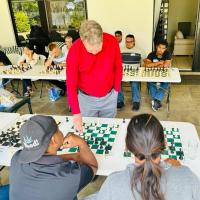
Nigel Short: Grandmaster Chess Biography and Online Blitz Profile
This Nigel Short chess biography follows the FIDE Grandmaster profile behind the username NigelShort. The account is built around fast, tactical play, with a clear preference for blitz and a style that combines sharp openings, early piece activity, and long endgames.
The Player
Nigel Short plays with a practical edge. The record shows a player who likes the position to become fluid, the pieces to become active, and the fight to continue when the board starts to clear. Rather than settling for calm equality, the style leans toward counterplay, checks, and stubborn resistance in complicated middlegames.
- Preferred time control: blitz
- Longest winning streak: 23 games
- High endgame frequency: many games pass the opening and middle game
- Late-night sessions are a recurring part of the playing rhythm
Opening Habits
The opening choices are colorful and practical. The Sicilian Defense: Najdorf Variation is a frequent battlefield, while the French Defense: Burn Variation appears in games where Nigel Short seeks open lines, active pieces, and direct counterattack. The repertoire also includes familiar classical terrain, such as Ruy Lopez and Four Knights structures, giving the profile both modern sharpness and traditional depth.
Game Feel
Many games begin with e4 and quickly reach central tension. The queen and rooks are regular sources of pressure, and piece checks often shape the flow of the fight. When the position simplifies, Nigel Short does not appear to be in a hurry to shorten the struggle. The record suggests a player who can carry an advantage into long endgames and is comfortable keeping opponents on the back foot.
Rivals and Record
The opponent history is filled with repeated battles, and one of the most visible long-term rivals is Dmitry MIschuk. That recurring rivalry gives the biography a human edge: enough games to show familiarity, enough variation to keep the record lively.
- Frequent contests against the same players suggest deep knowledge of common traps
- A strong comeback tendency helps recover from early setbacks
- Many games finish through sustained pressure rather than quick checkmate