
Coach Chesswick
Quick overview
Nice session — sharp attacking play, good tactical vision, and several clean finishes. You convert practical chances (including time wins) and punish opponents who let their king get exposed. At the same time you leave some counterplay and allow passed-pawn activity in a few losses — those are the highest-leverage things to clean up for faster rating gains.
Highlight — recent decisive win
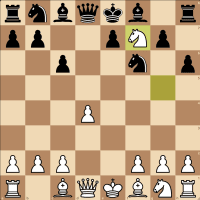
Key game: you delivered a decisive queen invasion on the kingside, exploited loose pieces and converted cleanly to a resignation. Opponent: griffygrog. Opening was a Closed Sicilian setup — see Sicilian Defense: Closed.
- Strong: you found the queen grab on the kingside and followed up with precise checks that kept the opponent under pressure.
- Why it worked: opponent's king got exposed, piece coordination favored you, and you kept the initiative instead of hunting material only.
What you're doing well
- Active attacking style — you create direct threats and frequently open lines against the enemy king.
- Tactical awareness — you spot forks, mates and decisive checks quickly, which is ideal in blitz.
- Practical finishing — you convert advantages and also win on time when the opponent is under pressure.
- Broad opening repertoire — your openings (Closed Sicilian, Caro‑Kann, Blackburne Shilling, etc.) give you chances to play for wins (see opening stats).
Recurring weaknesses to fix
- Time management: several games show very low time late in the game — keep a 10–20 second reserve so you don’t blunder under flag pressure.
- Allowing passed pawns / counterplay: a recent loss featured an opponent pawn queening because the pawn march was not stopped early enough. Watch pawn breaks and be quick to blockade or trade when necessary.
- Occasional tunnel vision: when you see an opportunity (e.g., mate attacks or material wins) you sometimes miss the opponent’s best resource. Pause for a second to look for opponent replies — even in blitz.
- Endgame technique under time pressure: you convert many middlegame attacks but some endgames with narrow advantages could be simplified and converted more reliably.
Concrete next steps (short plan you can follow)
- Daily (10–15 min): 8–12 tactics from mixed themes (forks, pins, back-rank, discovered attack). Focus on speed + accuracy.
- 3× per week (20–30 min): one short endgame drill — rook endgames, king+pawn vs king, and basic queen vs rook patterns. Convert won positions under a 5–minute clock.
- Weekly (30–45 min): review 3 recent losses and 3 recent wins — add a 2‑minute thought on the opponent’s best defense before checking engine. You're already good at exploiting mistakes; train spotting the defender's resource next.
- Opening maintenance: keep your main lines sharp (Closed Sicilian / Caro‑Kann). Trim rarely played sidelines so you save time in the opening and get more consistent middlegames.
- Blitz clock habit: if possible, practice with 3+2 or 5+3 to train using the increment — that helps avoid flag blunders and improves precision in long endgames.
Practical checklist before your next blitz session
- Have a simple opening plan for both colors (two safe, repeatable move-orders).
- When ahead: trade pieces (not pawns) to reduce counterplay and keep the opponent short on time.
- If you see a tactical shot, take 1–2 extra seconds to ask “What is opponent’s best reply?”
- Keep at least 10–20 seconds on the clock entering any rook/queen endgame.
Training micro‑targets (2 week cycle)
- Week 1: 5 tactics/day + 3 endgame positions (R+P vs R, basic king+pawn) + review 6 games (losses first).
- Week 2: 8 tactics/day + 5 conversion drills (win a pawn, convert a rook up) + play 20 blitz games and review only the ones you lost on time or blundered.
- Repeat, and track if your 1‑month slope (already positive) continues upward.
Useful terms & reminders
- When defending against a pawn march, aim to create a blockade or force a trade — a passed pawn that reaches the sixth/seventh rank is often decisive.
- Practice simple motifs: back rank, fork, pin, discovered attack.
- Strength adjusted win rate: ~0.496 — you’re at an excellent level where small improvements to time management and endgame technique will give outsized rating gains.
Follow‑up
If you want, I can:
- Make a 2‑week personalized tactic/endgame schedule based on time available.
- Annotate 1 loss and 1 win move‑by‑move with short “what to look for” notes.
- Set a practice routine tailored to your preferred openings (I can focus on Closed Sicilian and Caro‑Kann).
Tell me which option you prefer and I’ll prepare the next steps.