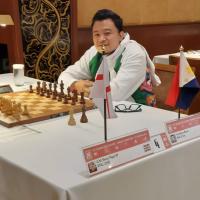
Overview of Your Recent Daily Games
Nice work in your recent activities. You’ve shown strong results in aggressive, active openings like the Amazon Attack and the London System variation you’ve been testing. Your win demonstrates solid calculation and willingness to press when you have the initiative. For the losses, there are clear learning opportunities in handling complex defenses and converting small advantages into decisive endings. Let’s turn these experiences into concrete improvements.
What Went Well
- You pursued aggressive, practical openings that lead to active piece play. This keeps opponents on the back foot and creates chances to seize initiative early in the game.
- In the strong win against Coach-David, you maintained pressure and coordinated your pieces well, culminating in a sharp finish that exploited tactical opportunities.
- Your opening choices in the London System variation show you can navigate slow, strategic games while still seeking a tangible plan and piece activity.
- You showed resilience in handling complex positions by keeping lines open and looking for forcing moves to create practical chances.
Areas to Improve
- Endgame conversion: In longer battles, there were chances to simplify to a winning endgame sooner or to hold draws when behind. Practice deciding when to simplify and how to convert even small material or tempo advantages into a win.
- Handling difficult defenses: The losses against solid defenses (like the Ruy Lopez Classical Defense lines) indicate a need to improve plan-making after the opening, especially when the position becomes more positional and maneuvering-heavy. Focus on identifying a clear plan after the opening phase and compare it with your opponent’s best responses.
- Time management and move-ordering: In some longer games, a few critical moments could benefit from a more precise ordering of moves. Emphasize quick consensus moves that maintain tension and reduce risk, then invest deeper calculation only in the critical branches.
- Consistent piece coordination: After exchanges, ensure your remaining pieces stay on active, connected squares. Practice exercises that emphasize keeping rooks and queens active along open files and semi-open diagonals.
Opening Focus and Preparation
Your current openings show strong results with two of your tested lines:
- Amazon Attack: highly successful (wins in all recent attempts). Continue refining the typical middlegame plans you use after the initial setup. Amazon Attack
- London System: Poisoned Pawn Variation: also performing well. Deepen understanding of the typical anti-queen and anti-king maneuvers in this branch to improve your control in the middlegame. London System: Poisoned Pawn Variation
- Ruy Lopez: Classical Defense, Benelux Variation: one loss, one tough line to meet. Consider strengthening your knowledge of common pawn structures and typical break ideas in this defense to improve conversion chances. Ruy Lopez: Classical Defense
You can also reference these openings during study sessions for quick recall: bryle%20arellano.
Plan for the Next Period
- Study and annotate two recent losses to extract a single critical mistake and a safer alternative plan for that moment.
- Practice 15–20 minutes of tactical puzzles daily, focusing on checks, captures, and forcing moves to sharpen calculation under time pressure.
- Work on endgame drills, starting with rook endings and king activity, to improve conversion chances in longer games.
- Develop a simple, repeatable post-opening plan: quick development, king safety, connect rooks, and pick a clear plan based on the opponent’s setup.
- Allocate time to study one representative game from each opening you use (Amazon Attack and London System) to reinforce typical middlegame ideas and common responses from opponents.
Practical Next Steps
- Pick one loss and create a 5-move pruning exercise: list the top three candidate moves you considered, and note which would have kept the most resources for you.
- Schedule short daily sessions (20–30 minutes) focused on a single opening idea, then apply it in practice games or rapid drills.
- Play practice games with a focus on maintaining piece activity after exchanges; evaluate at least three positions where your pieces ended up passive and plan a corrective route for the next game.
- Keep a simple journal of key decisions in each game: why you chose a plan, what you missed, and what you will do differently next time.
Quick Reference Resources
For quick access, consider bookmarking these ideas in your study routine:
for general openers, and keep returning to the essential ideas behind active piece play, tension, and endgame conversion.