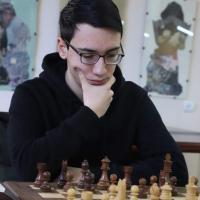
What you’re doing well
You’re showing clear willingness to take the initiative in many rapid games, especially when you land on openings that lead to asymmetric positions and active piece play. Your opening choices in some games have produced sharp middlegames where you can press for concrete chances, and you’ve demonstrated good practical resourcefulness in the middlegame by keeping tension and looking for aggressive chances with your pieces.
- Strong performance in openings that yield imbalanced, dynamic positions (for example, lines where you aim for active piece activity and compact pawn structures).
- Willingness to seize the initiative with piece activity such as knight jumps and rook activity when the position allows it, creating practical problems for your opponents.
- Resilience in converting advantages from middlegame imbalances into wins in several recent games.
Areas to improve
- Time management in rapid: a number of games show you spending substantial time in the opening and middlegame. Set a per-move target and try to reach a solid plan by move 15–20 so you have more time for calculation and endgame conversion later.
- Develop a clear, repeatable plan after the first 15 moves. Identify a concrete plan based on pawn structure and piece activity, then look for specific strategic targets (such as controlling open files, pressuring weak squares, or targeting backward pawns) instead of trading too quickly.
- Endgame technique: when the game simplifies, strengthen rook endgame play and king activity. Practice basic rook vs rook with pawns endgames and the concept of keeping the rook behind passed pawns to maximize chances of drawing or turning the game.
- Avoid unnecessary material trades that reduce your winning chances in dynamic positions. When you have the initiative, keep tension and look for forcing sequences rather than simplifying prematurely.
- Continue to expand a focused, practical opening repertoire for rapid games. You have strong results in a few lines, but other openings show less consistency. Pick 1–2 safe, well-understood lines to rely on in rapid and study the typical middlegame plans that follow.
Opening performance insights
Your results are strongest in openings that lead to closed or semi-closed structures with active piece play, such as the Sicilian Closed and certain Queen’s Gambit/English setups. These indicate you handle positional, maneuvering games well and can create dynamic chances from the middlegame.
- Continue to build comfort in the Sicilian Closed and QGD-based lines, focusing on typical middlegame plans: central pawn breaks, piece pressure on key files, and timely knight maneuvers to central squares.
- Be mindful of openings with less favorable results (for example, the French Exchange and other solid, symmetrical setups). If you choose to use them, prepare a concrete endgame plan or switch to safer, well-trodden lines when under time pressure.
- Integrate a small, practical opening study plan: pick 2–3 lines you enjoy, review common middlegame plans, and practice typical endgame transitions from those lines.
Quick profile reference for your study focus: Edgar Hayrapetyan
Practice plan and next steps
- Time-box your opening phase: aim to reach a solid, plan-based position by move 15 in most games, leaving time for calculation and endgame work.
- Structured practice blocks:
- 2–3 tactic sets per week to sharpen pattern recognition and calculation under time pressure.
- 1 endgame-focused session per week (rook endings, king activity, and passed pawn handling).
- 2 opening-study sessions per week focused on your strongest lines (Sicilian Closed, QGD-based lines) with 2–3 representative middlegame plans for each.
- Post-game review: after each rapid session, pick two critical moments from the game to analyze—one where a different plan could have worked, and one strong decision you made. Write a short note on what you learned.
- Try a small, practical repertoire expansion: add one additional solid continuation to your strongest lines so you’re comfortable in a broader set of positions without overloading memory.
- Use a simple endgame drill: rook endgames with pawns focus on technique like keeping the rook active, using checks to drive the opposing king, and advancing passed pawns with king support.
Encouragement
You’ve shown real momentum over the recent period with upside in several openings and a taste for dynamic play. Stay consistent with a focused, repeatable study plan, trust your ability to generate active play in the middlegame, and keep refining your endgame technique to convert more difficult positions into wins. Small, steady improvements compound into big results over time.