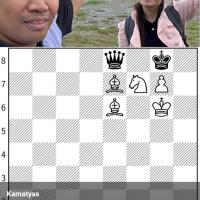
Recent win: quick recap and takeaways
You closed out the latest win with a clear display of initiative and a sharp attacking mindset. The opening choice helped you unfold activity for your pieces, and you kept the pressure on your opponent’s king, which paid off when you could coordinate a decisive sequence. This game shows you are comfortable when you have the initiative and can spot tactics that lead to a concrete finish.
- What you did well: you played actively from the start, found energetic pawn breaks and piece placements that restricted your opponent’s responses, and you converted the initiative into a finishing attack.
- What to improve: in bullet games, quick, accurate decision-making matters. continue improving your ability to identify a few candidate plans early and lock in a single coherent plan rather than chasing multiple tactics at once. also watch for overextending if the attack doesn’t have a clear follow-up.
- Practical tip: after you gain a tangible advantage, pause briefly to map two or three forcing moves that keep the opponent on the back foot, then execute the best of those with confidence.
Recent loss: quick recap and takeaways
The loss highlights common bullet-challenges: when the position becomes complex, time pressure and decision overload can creep in. There were moments of sharp tension where a simpler plan could have kept you competitive. Focusing on solid structure and clear plans will help you recover from rough patches more reliably.
- What you did well: you competed in a dynamic middlegame and did not shy away from tactical chances, which is good in bullet formats where activity often pays off.
- What to improve: under time pressure, simplify when you’re not sure. aim for a simple, repeatable plan such as central control, safe king position, and piece coordination rather than chasing highly speculative lines. practice avoiding overly risky exchanges that can lead to rapid material swings.
- Time management tip: allocate a small, fixed amount of time (for example, 10-15 seconds) to assess each candidate branch on a tricky move, then choose a solid option and move on. this keeps you from getting bogged down in memorized tactics and clock pressure.
Recent draw: quick recap and takeaways
The drawn game shows you can hold a balanced position with careful play, especially in open or semi-open structures. In bullet formats, converting small advantages into a win often hinges on converting positional edge into a repeatable plan and keeping tension where it benefits you.
- What you did well: you maintained activity and avoided a quick collapse in a complex, open position. you stayed practical and avoided major blunders under pressure.
- What to improve: look for small, incremental improvements that gradually shift the balance in your favor—such as improving the placement of a passive piece, or creating a bit more space in the center or on the wings before initiating heavy operations.
- Practical tip: when the position is equal, aim to create a single plan that makes it hard for your opponent to parry. even a modest improvement (better king safety, a more active rook, or a more centralized knight) can be enough to tilt toward a win in bullet time controls.
Practice focus and plan
To build on these games, consider focusing on short, concrete improvements you can repeat in future sessions:
- Opening feel: strengthen your Bird Opening understanding with a few solid responses for Black. know two clear paths to develop pieces and castle safely, then look for active piece play rather than only pawn pushes.
- Time management: implement a consistent clock discipline for bullet games. practice pruning candidate moves to two or three plausible options per move and pick the best one quickly.
- Tactical pattern recognition: drill common motifs seen in your games (such as back-rank pressures, queen/rook batteries, and overloads) so you can spot forcing lines faster under time pressure.
- Endgame readiness: in longer bullets, reach simple endgames with at least a few seconds left and practice converting small material or positional advantages into a win.
- Consistent review: after each session, briefly review one or two critical moments from the win, one from the loss, and one from the draw. identify the decision points and write down a quick improvement note you can apply next time.