
Coach Chesswick
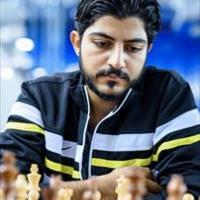
Feedback for Bashir Eiti (Eity7)
Hi Bashir! I've reviewed some of your recent games and I'd like to share some constructive feedback to help you continue improving.
Strengths
- Opening Preparation: Your choice of solid opening systems, such as the London System and Indian Game setups, shows you have a good foundation in opening theory. You handle the typical plans and piece placement confidently.
- Active Piece Play: In your wins, you often maneuver your knights and rooks effectively to create strong threats, especially exploiting open files and weak squares in your opponent’s camp.
- Endgame Technique: Your recent victories demonstrate good understanding of endgame principles, accurately converting material advantages into wins.
- Patience and Positional Play: You maintain pressure in the midgame well, waiting for opportunities and gradually improving your position without rushing unnecessary attacks.
Areas for Improvement
- Time Management: In some games, clock pressure appears to be a recurring challenge. Try to allocate your time evenly throughout the game, particularly avoiding spending too much on the opening moves so you have enough time for critical middle and endgame decisions.
- Handling Pressure Against Aggressive Opponents: A few losses involved your opponent playing strong, direct attacks or tactical complications. Consider practicing calculation exercises and defensive techniques to improve your ability to neutralize these threats.
- Pawn Structure Awareness: Occasionally, pawn moves like premature advances or weaknesses around your king allowed your opponents to gain attacking chances. Focus on maintaining a solid pawn structure, especially around your king safety.
- Calculate Forced Variations More Precisely: In positions with sharp tactics, double-checking forcing lines can help avoid losing material or allowing opponent counterplay. Working on calculation drills can boost your confidence in these complex situations.
Next Steps and Training Tips
- Analyze Your Losses: Go over your losses carefully and identify the exact moment things shifted. Try to spot any recurring patterns or types of mistakes.
- Practice Calculation and Visualization: Use puzzles focusing on tactical motifs and calculation in short timeframes to simulate your playing conditions.
- Endgame Study: Concentrate on rook and minor piece endgames to convert winning positions more smoothly.
- Consistent Opening Review: Continue refining your opening repertoire and explore related structures deeper to be better prepared against different responses.
- Play Training Games: Aim for some longer games to practice deeper thinking without severe time constraints, which will enhance your overall decision-making.
You're making steady progress, and with a bit more focus on time control and defensive tactics, you can reach even stronger levels. Keep up the hard work!