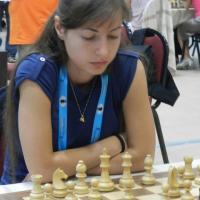

What Elitsa did well in recent blitz games
You show a strong willingness to complicate positions and keep pressure on the opponent. In faster time controls, your initiative and piece activity often create practical problems for your opponents, and you’re comfortable navigating tactical sequences when the board opens up.
Across your openings, you tend to seize dynamic chances and look for concrete plans rather than passively defending. When you find a forcing line or a tactical motif, you convert it into a tangible edge, which is a valuable strength in blitz chess.
Key moments and patterns from your recent games
- You frequently operate with active piece play and pressure on open files or diagonals, which helps you create practical winning chances even against solid defenses.
- Your willingness to press in the middlegame often leads to favorable simplifications or forcing lines that shorten the path to a win or a clear advantage.
Opening performance highlights (practical takeaways)
- The London System: Poisoned Pawn Variation shows promising practical results for you; keep exploring this family of ideas, especially lines that generate quick activity and non-standard pawn structures your opponent has to navigate under pressure.
- Sicilian Defense: Alapin Variation appears to suit your style well, offering clear plans and counterplay opportunities. Consider continuing to rely on this line to practice converting dynamic middlegame themes into wins.
- Dory Defense and related flexible replies: you’re getting comfortable with symmetrical structures and typical counterplay; deepen your familiarity with common ideas in these setups to reduce uncertainty in the early middlegame.
- In more double-edged openings (like historically sharper Sicilian or English/Botvinnik-type lines), you’re capable of creating active play, but you may benefit from sharpening a compact, reliable plan to avoid getting overwhelmed in the early middlegame.
Areas to improve
- Time management: develop a consistent approach to allocating thinking time per phase of the game. Practice setting a rough plan for the first 15 moves and stick to it, so you don’t run low on time in critical middlegame moments.
- Endgame technique: blitz games frequently reach simplified endings; improve practical rook and minor-piece endgames so you can convert advantages more reliably or hold draws in tougher positions.
- Decision discipline in sharp lines: when a position becomes tactical, cultivate a two-step filtering process (candidate moves, then concrete plans) to avoid overcomplicating or missing tactical replies from your opponent.
- Post-game analysis habit: after each blitz session, write a brief note on 2-3 recurring mistakes or themes you saw. This will guide your next training block and help you close gaps faster.
- Trade-offs in exchanges: be mindful of trades that give your opponent better pawn structure or easier defense. Prioritize exchanges that keep your pieces active and maintain the initiative where possible.
Training plan and concrete drills
- Time-management practice: in 2-3 short sessions, play 20-25 blitz moves with a strict time budget (for example, 3+2 or 4+2). After each game, review where you spent too much time and adjust your pre-move planning accordingly.
- Tactics and calculation: commit to 15-20 minutes of daily tactical puzzles, then review the solutions focusing on the motifs that appeared in your recent games (forks, pins, clearance, and forcing trades).
- Opening repertoire refinement: keep 1-2 trusted lines in each of your best-performing openings (for example, London System Poisoned Pawn and Sicilian Alapin). For each, write a simple 3-move plan you aim to execute in the typical positions you expect.
- Endgame focus: weekly, practice rook endings and king-and-pawn endings from common pawn structures you encounter. Use short drills to improve technique and practical decision-making under time pressure.
- Post-game review routine: after blitz sessions, annotate each game with 2-3 concrete takeaways (what to do differently, what to repeat, and what to avoid). If possible, use a quick engine check to spot any glaring misses, but prioritize your own understanding first.
Optional notes and references
Want a quick visual aid for your next session? You can review a representative game in your current repertoire with a move-by-move recap. If you’d like, I can generate a concise, practice-friendly Pgn snippet for one of your recent games to study offline. Elitsa Raeva