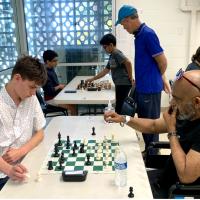
What you’re doing well in blitz
You show good practical sense and willingness to fight for activity. In your recent wins, you activated pieces smoothly, kept pressure on the opponent’s king, and found ways to create tactical chances even when material was balanced. You also tend to castle early to connect your rooks and keep the king safe while launching coordinated attacks with heavy pieces along open lines.
You handle dynamic, sharp positions with resilience and you’re often able to convert initiative into material or positional gains. Your openings show you’re comfortable with flexible setups and you can adapt plans when opponents switch gears.
Key areas to improve
- Time management under pressure: blitz games frequently hinge on the clock. When the clock tightens, avoid deep speculative lines you’re not sure about. Instead, default to a solid, plan-based approach and prune clearly losing ideas early.
- Endgame conversion: several games approach rook or minor piece endgames where tricky technique matters. Practice common rook endgames and king activity in practical settings to increase your conversion rate from even positions.
- Selective simplification: in some middlegame battles, simplifying to a drawn or worse ending can be risky. Learn to evaluate when preserving chances (or creating slight imbalances) is worth keeping pieces on the board.
- Pattern recognition: build a small repertoire of go-to tactical motifs you often encounter in blitz (back-rank weaknesses, overloaded defenders, and king-unsafe setups) so you can spot them quickly.
Opening considerations and repertoire focus
Your openings have shown you can handle both solid and sharp lines. In blitz, narrowing to 2–3 reliable setups helps reduce early clock pressure and lets you execute plans faster. Consider continuing to develop comfort with lines like the Amar Gambit and certain flexible English/Queens Gambit structures that suit your style, while keeping a simple, safe backup against the most common responses so you’re not short on time out of the opening.
Plan and targeted drills
- Endgame practice: dedicate 2 sessions per week to rook endgames and king-and-pawn endings. Use short, practical positions where you must convert a small advantage or defend a tiny deficit.
- Tactical pattern training: commit to 15 minutes of puzzles daily focusing on checks, captures, and back-rank motifs. This will speed up recognition in blitz and reduce time wasted on misreads.
- Opening quick-reaction drills: rehearse 2–3 main lines for your favorite openings. For each line, list 2-3 plan ideas you can choose from after 7–10 moves, so you’re ready to commit to a coherent plan under time pressure.
- Post-game review ritual: after each blitz session, spend 10–15 minutes reviewing 1–2 critical moments. Note where time was spent, what alternative safe moves existed, and whether you should have simplified earlier.