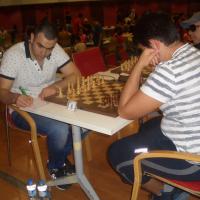

Recent blitz performance: strengths you showed
You demonstrated readiness to dive into sharp, tactical positions and keep the momentum when your opponent faced time pressure. Your willingness to complicate the game can create practical winning chances, especially in blitz where quick calculations and dynamic piece activity matter. You also show ability to press when you have initiative and to find active, forcing ideas that test your opponent’s accuracy.
Key improvement areas
- Time management under pressure: Try to allocate a small, repeatable workflow for middlegame decisions. Identify 2–3 candidate moves early and verify which one creates the clearest threats, so you aren’t stuck calculating long lines when you’re low on time.
- Solid opening foundations: You enjoy aggressive paths, which is great for generating winning chances. Pair that with a reliable middlegame plan for your main openings to avoid getting pulled into chaotic positions where you’re less comfortable.
- Endgame conversion: Many blitz wins come from complex tactics; strengthen your ability to convert advantages in rook and king endings, and practice common endgame patterns so you don’t drift into passive play when material balance shifts.
- Calculation discipline: In complex positions, first check the most forcing ideas (checks, captures, threats) and ensure there’s a concrete follow-through. This helps prevent overextension in unsettled positions.
- King safety and structure: Be mindful of back rank and king-safety themes that opponents can exploit in sharp lines. Aim to finish development and secure king safety earlier in the middlegame when possible.
Opening and middlegame planning
Your blitz practice leans toward dynamic middlegames where piece activity drives the action. To improve consistency, couple your aggression with clear middlegame plans for your go-to openings. If you enjoy sharp lines, prepare a robust plan for typical structures you encounter, including suitable pawn breaks and key piece placement ideas that you can rely on when the direct tactical route isn’t immediately obvious. For example, you can explore solid lines in the Alekhine Defense or the Dragon-leaning Sicilian setups to build a coherent strategic framework.
Opening performance snapshot
You tend to enter rich, tactical seas after your openings. To improve reliability, build a quick-reference plan for each favorite opening that outlines: typical pawn structures, where your pieces belong in the middle game, and the main strategic ideas you should pursue if a direct tactical shot isn’t available. If you want to drill specific lines, consider exploring Alekhine Defense and Sicilian Dragon concepts to reinforce your understanding of typical middlegame plans.
Practical drills and training plan
- Daily 15–20 minute tactical sessions focusing on forks, pins, skewers, and discovered checks to sharpen calculation under time pressure.
- Post-game review: pick 1–2 pivotal moments from each blitz game and analyze alternative moves with a coach or engine to confirm the best practical choice.
- Endgame practice: study rook endings and king-pawn endings to improve conversion in simplified positions.
- Opening repertoire refinement: settle on 1–2 main lines for White and Black; write a brief plan for middlegame ideas in each so you can recall them quickly during games.
Next steps and practice schedule
Plan a focused two-week cycle: play 6–8 blitz games with a 3+1 or 1+1 time control, and spend 10–15 minutes after each game reviewing the critical moments. Track where your plans worked and where you got tangled in tactical melee, then adjust your study notes accordingly. Regular, structured practice will help reverse the recent downtrend and build steadier performance across blitz sessions.
Sample practice resources
Optional placeholder for annotated positions or drills from your games. Replace with actual PGN or diagrams as you collect them.