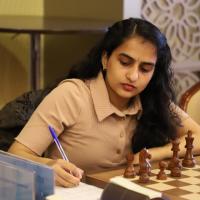

Welcome, Isha — Feedback on your recent bullet games
Great work staying active and creating dynamic chances in your latest bullet sessions. You’ve shown solid development, good piece activity, and a willingness to press with initiative. Below are concrete things to keep doing well and specific steps to sharpen further.
What you’re doing well
- You pick aggressive, practical setups and get your pieces out quickly, aiming at open files and diagonals. This helps you create immediate pressure and often forces the opponent into defensive decisions under time pressure.
- Your willingness to sacrify and complicated lines in the middlegame can yield winning chances when your opponent missteps. When you spot a forcing line, you tend to pursue it with confidence, which is valuable in fast games.
- You handle a variety of defenses with a calm, flexible mindset. This adaptability is a strong asset in bullet where opponents vary their plans on the fly.
Key improvement areas
- Time management under pressure: Try to identify 1-2 forcing moves or candidate moves first in every position. If nothing forcing shows up within a few seconds, commit to a straightforward plan and move on. This helps avoid getting stuck in long sequences when your clock is tight.
- Keep king safety front and center: In fast games it’s easy to overextend or leave back-rank weaknesses exposed. Before committing to a tactical line, quickly check for opponent threats to your king and back rank.
- Prophylaxis and opponent tactics: When you launch an attack, also scan for simple counter-tactics your opponent might have, especially involving checks on open files or queen-bishop combos. A quick safety check can save you from sudden reversals in bullet time controls.
- Endgame readiness under time pressure: If you reach simplified rook-endings or minor-piece endings, have a simple approach ready (e.g., activate the king, convert outside passed pawns). Practicing a few common endgames can improve your conversion rate when the clock is short.
Opening choices and repertoire guidance
Your openings show you perform well across several defensive structures, with notably strong results in certain lines. For bullet, a compact, easy-to-remember repertoire helps you maintain speed and avoid avoidable mistakes. Consider focusing on 2-3 solid setups you know inside-out and can execute quickly in the first 8-10 moves.
- Lean into two families where you’re already comfortable and have consistent results. For example, strong results have been noted in French Defense variants and related solid structures. You can continue refining these lines for fast games. French Defense
- Complement with a reliable, straightforward system against 1.d4, such as well-understood Queen’s Pawn or flexible Indian/Orthodox setups. Czech Defense
- Keep a short plan for common transpositions so you can move quickly if your opponent shifts gears. If you’re curious to explore specific lines, I can tailor a 2-3 line quick-repertoire list for you.
Practical practice plan (next 2 weeks)
- Daily tactic drills: 15–20 minutes of fast tactical puzzles (2 minutes or less per problem) to sharpen pattern recognition under time pressure.
- Endgame focus: 2–3 short rook- ending drills and basic king-and-pawn ending techniques to improve conversion in bullet endgames.
- Opening reinforcement: pick 2 openings you’ll play in most bullet games and study 15-20 sample games in those families to reinforce typical plans and quick reply ideas.
- Post-game review habit: after each session, write down 2-3 takeaways from the game (one tactical idea you missed, one decision you would change, and one time-management improvement).
Quick action items and optional enrichment
- If you want, I can attach specific PGN excerpts from your recent wins/losses for a targeted review. This can help you pinpoint exact moments to improve (calculation, prophylaxis, or endgame technique).
- Would you like me to build a personal two-opening quick-repertoire list for White and Black, tailored to your preferred styles and strengths? I can include simple decision trees for move 1–8 to speed up decisions in bullet games.
Preview of next steps
Implement the two-week plan and then reassess with another quick feedback round. Expect to see smoother time management, fewer unforced tactical losses, and more confident conversions in endgames. If you want, share a fresh set of recent bullet games and I’ll tailor the next feedback cycle around those specific positions.
Profile and openings references
For quick access to your preferred openings in practice, you can refer to your opening families like French Defense, Czech Defense, and related solid lines. French Defense // Czech Defense
Note
If you’d like to include any specific positions or moments from your three most recent games for a deeper dive (e.g., post-move-by-move analysis of a critical turning point), share the PGNs and I’ll break down the key decision points and provide concrete improvement steps tailored to those moments.