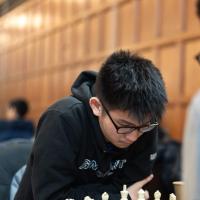
Raymond Gao is a chess player who earned the National Master title from National. A titled performer with a knack for creative thinking, he blends humor with serious preparation and remains a crowd favorite at online and over-the-board events. Known for his calm under pressure and a willingness to experiment, Gao treats every game as a fresh puzzle to solve.
Titles and Recognition
Gao is recognized as a National Master, a testament to years of hard work and consistent results across formats. In rapid play, his peak rating reached around 2310, with a blitz peak of 2632 in spring 2025. He continues to compete at a high level, balancing strategic depth with practical, nerve-steady play. 2310 (2025-06-04)
Playing Style and Opening Repertoire
Raymond Gao is a well-rounded player who thrives in rapid formats but competes confidently in Blitz, Bullet, and Daily events as well. His openings reflect a flexible and pragmatic approach, often choosing aggressive lines when the position calls for it and solid systems when patience is rewarded. Here are some highlights from his repertoire:
Australian Defense — 4 games, 4 wins, 0 losses, 0 draws (Win rate 100%)
Notable Moments
Gao’s competitive career features several impressive streaks and milestones. Notably, his longest winning streak stands at 18 games, reflecting a period of sustained momentum. He has also navigated long battles and tough tactical positions with composure, contributing to his reputation as a resilient opponent at the board. His current streaks are a reminder that every tournament is a new chapter in his ongoing chess story.
Openings and Style Highlights
Gao’s openings across formats show a balance between ambitious, sharp choices and reliable, solid systems. In Blitz, his top-performing lines include the Amar Gambit, London System: Poisoned Pawn Variation, and Modern, while his Bullet repertoire leans into dynamic, aggressive setups like the Scandi and Caro-Kann family lines. In Rapid, he diversifies with Sicilian and Amaran-style ideas, always ready to convert initiative into material and positional advantages.
Coach Chesswick
Overall assessment
Your long-term trajectory is positive, with consistent activity across multiple openings and solid results in several sharp lines. In the near term, you can sharpen your middlegame plans and improve conversion in endings to maintain and accelerate that upward trend.
What you are doing well
You handle aggressive openings well, particularly in dynamic lines like Amar Gambit, where you create practical chances and fight for initiative.
Your results with Caro-Kann and Italian Game: Two Knights indicate solid development and good control in standard positions.
You show willingness to complicate the position when it suits you, which helps you press for the win in many games.
Key improvement opportunities
Turn opening advantages into concrete middlegame plans: in sharp lines, focus on a clear idea you are aiming for (such as piece activity, pawn structure, or king safety) rather than trading pieces too early.
Endgame conversion: practice maintaining winning chances in endgames, especially rook endgames and king activity, to convert advantages more reliably.
Middlegame decision making: work on recognizing when to keep tension vs. simplify. This helps reduce unwanted counterplay from opponents and preserves your initiative.
Time management and search discipline: in complex positions, establish a routine to scan forcing lines first, then calculate candidate moves to avoid missed tactics or blunders under time pressure.
Openings performance snapshot
You perform particularly well in Amar Gambit and several Caro-Kann/Italian variations. Consider deepening your understanding of these two areas while keeping a guard against over-reliance on a single approach.
Amar Gambit: study common middlegame plans and typical tactical motifs that arise after the opening, so you can convert pressure into clear advantages.
London System: Poisoned Pawn Variation: review representative pawn structures and fast development ideas to keep your initiative.
Italian Game: Two Knights Defense: reinforce safe development and plan for active piece play in the early middlegame.
Strategic training plan (next 4–6 weeks)
Weekly opening study: pick two top-performing openings (for example Amar Gambit and Caro-Kann) and create a concise one-page reference with typical plans and common pitfalls.
Endgame practice: two sessions per week on rook endings and king activity with simple pawn structures to improve conversion in late stages.
Tactical pattern drills: 15 minutes daily focusing on motifs that come up in your top openings (pins, forks, discovered attacks, etc.).
Post-game reviews: after each game, note two critical moments, assess whether a stronger plan existed, and commit to one concrete change for the next game.
Time management drills: in practice games, allocate extra thought to the first 7–12 moves of the middlegame to avoid time trouble later.
Next steps
Begin implementing this plan in your next training cycle. Keep a simple journal: record the two openings you focus on, one endgame topic, and one tactical pattern you learned, plus a brief note on on-board improvements. Tracking these will help you see how your study aligns with your rating trend over time.