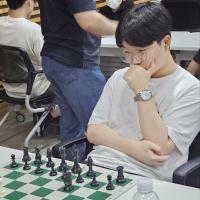
Giuk Han: The Blitz Board Stormer
Giuk Han, known online as giukhan, is a prolific chess streamer and a seasoned specialist in fast, tactical games. With thousands of recorded contests across multiple formats, Giuk Han has built a chess identity around sharp decisions, relentless activity, and the occasional reminder that the clock is also an opponent.
A Career Built on Speed
Blitz is the natural home of Giuk Han. The statistics show a player comfortable in complicated positions, especially when there is barely enough time to ask whether a move is brilliant or simply alarming. A long winning streak of 22 games highlights the player’s ability to turn momentum into a serious weapon.
Giuk Han also shows impressive staying power. Games frequently reach the endgame, suggesting that this is not merely a race to flag the opponent, but a full-board battle where technique still matters after the opening fireworks.
Opening Personality
Giuk Han’s repertoire is led by the Sicilian Defense, including a substantial commitment to the Najdorf Variation. The opening’s tactical tension suits a player who enjoys dynamic positions and is willing to let the chessboard become a little untidy.
The Scandinavian Defense is another important part of the repertoire, particularly in blitz, where direct plans and early practical questions can be worth more than a perfectly polished position. The Caro-Kann Defense, Philidor Defense, and even the mischievous Blackburne Shilling Gambit also appear regularly.
Playing Style
- Strong preference for blitz and other fast time controls
- Comfortable playing long, combative games that reach the endgame
- Excellent comeback profile after falling behind
- More successful when delivering the first check
- Most dangerous during the early-morning chess hours, especially around 03:00
Giuk Han’s comeback rate is particularly eye-catching. Losing a piece does not automatically end the story, it may simply begin the chapter titled “Now Things Get Interesting.”
The Streamer Behind the Moves
As a streamer, Giuk Han brings a distinctly practical flavor to online chess. The combination of a large game volume, tactical openings, and a willingness to keep fighting makes the games entertaining to follow. Whether the position calls for a quiet maneuver or a move that makes the engine briefly question reality, Giuk Han tends to keep the action moving.
Legacy in Progress
Giuk Han’s chess biography is still being written, one fast game at a time. The defining themes are clear: a love of blitz, an adventurous opening repertoire, resilience under pressure, and enough endurance to make the final phase of the game matter. For viewers and opponents alike, giukhan is rarely just playing chess against the clock. Giuk Han is making the clock work overtime.