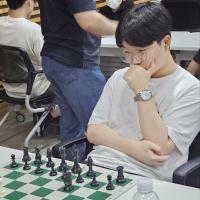
Bullet game feedback — Giuk Han
Overall, your recent bullet play shows you’re comfortable with fast, tactical positions and you take the initiative. You’re able to convert dynamic chances into wins in some games, and you navigate sharp lines with confidence. The main opportunity now is to strengthen time management and keep a clear plan in the most time-pressured moments.
What you did well
- Activity and pressure: you frequently keep pieces active and generate threats, which unsettles opponents in fast games.
- Tactical awareness: you spot forcing moves and tactical ideas that swing the position in your favor when you’re calculating quickly.
- Opening versatility: you’re comfortable in a few solid setups and can steer the game toward tactical middlegames rather than settling into passive lines.
Key improvement areas
- Time management under 1-minute control: develop a quick, repeatable plan after the opening (for example, aim to reach a straightforward middlegame plan by move 6–8) and avoid unnecessary long calculations when the clock is tight.
- Endgame conversion in bullet: when the position simplifies, confirm a clear method to convert advantages (rook endgames, passed pawns, or minor-piece endings) rather than racing with speculative tactics.
- Safer trades and queen activity: in chaotic, fast time controls, choose moves that maintain your king safety and keep the position dynamic without creating immediate tactical liabilities for your opponent to exploit.
- Consistency of opening plans: pick 1–2 black defenses and 1–2 white responses you know well, so you can reach familiar middlegame structures quickly even when time is short.
Opening approach for bullet
Your openings data show solid performance in several lines, with notable strength in the Czech Defense and related systems. This suggests you do well when you steer the game into structured, dynamic middlegames rather than engaging in wide, unsound gambits. Consider focusing on 1–2 black replies against common White setups to reduce decision fatigue in bullet. See opening performance snapshot: Czech Defense and Modern for quick reference.
Practical training plan
- Tactics focus: 15–20 minutes daily on tactical puzzles (forks, pins, discovered checks, and queen/rook traps) to sharpen fast calculation under pressure.
- Time-friendly openings: choose 1–2 reliable black defenses (e.g., a solid Scandinavian/Czech approach) and drill a simple plan for the first 10 moves so you’re not forced to improvise under the clock.
- Endgame drills: practice rook-and-pawn endings and basic minor-piece endgames with quick, set patterns to improve conversion when material is imbalanced.
- Review two games per week: pick one win and one loss/draw to identify 1–2 recurring blunders or decision points, and write down a concrete fix for each (e.g., “don’t trade on move 7 if it yields an easily exploitable endgame”).
Quick pre-game and post-game checklist
- Before you start: set a simple plan for the first 6–8 moves and note one key tactic you’re watching for.
- During the game: after each move, ask yourself three questions — What is my opponent threatening? Do I have a forcing reply? Is my king safe?
- After the game: write down one concrete takeaway (a better plan, a sharper tactic, or a safer exchange) to reuse next time.
Profile and openings reference
Review your recent activity and openings alignment with your goals: Giuk Han