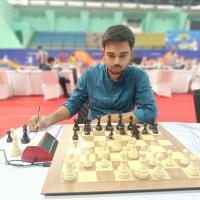
Quick assessment of your recent blitz games
You’ve shown a good fight in your recent blitz matches, including a win where you converted under time pressure and kept the initiative in a sharp middlegame. There were a few losses that point to time pressure and endgame handling, which is common in blitz. The goal now is to turn your promising middlegame ideas into consistent, clean conversions and to bolster your decision-making in the critical late middlegame and endgame phases.
What you’re doing well
- You stay active in complex positions and don’t shy away from tactical complications, often creating practical chances for yourself even when material is unbalanced.
- You’ve demonstrated resilience under time pressure in at least one recent game, keeping the pressure on and forcing mistakes from the opponent.
- Your middlegame planning shows willingness to press on your opponent’s weaknesses and to mobilize pieces to active squares.
Key areas to improve with concrete steps
- Time management in the critical middle game: in blitz, aim to allocate a clear time budget for the first 15 moves and then adjust. Practice identifying forcing moves, checks, and captures early so you don’t get stuck in lengthy calculations under time pressure.
- Endgame technique: work on common rook endings and basic endgame patterns (opposite colored pawns, king activity, and outside passed pawns). A short, focused endgame routine 2–3 times a week can dramatically improve conversion in time scrambles.
- Opening consistency: your openings data shows wide variance in results. pick 1–2 core lines you like and study typical middlegame plans and common responses. Having a solid plan after the opening helps you avoid risky deviations in the heat of a blitz game.
- Calculation discipline: cultivate quick, accurate calculation in the first 8–12 plies. Use a simple checklist before each move: what’s the direct threat, what are candidate replies, what are the tactical responses from the opponent, and what’s the endgame plan if we simplify?
Openings performance snapshot (guided)
Your openings show a mix of sharp and technical lines. In general, you tend to perform better in lines that yield clear middlegame plans and tangible targets (for example, some French and Modern setups). If you want faster blitz progress, consider refining 1–2 openings with solid, repeatable plans and focusing on the typical middlegame ideas and endgames that arise from those lines. This keeps you out of fatigue-inducing, unclear positions in the final minutes of a blitz game. Himanshu Ranjan
12-week rating trend context
Your longer-term trend is positive, with a steady upward trajectory over the year, while the shorter 3-month window showed a dip. The pattern suggests you have the potential to regain momentum with a disciplined practice routine and targeted improvements in tactics and endgames. A focused plan now can help stabilize performance in the next blitz cycles.
4-week focused improvement plan
- Week 1 – Tactics sprint: 15–20 minutes daily of mixed difficulty puzzles, emphasizing forcing moves, checks, and tactical motifs you missed in recent losses.
- Week 2 – Endgames basics: 2–3 practice sessions focusing on rook endings and king activity in simplified positions. Include 5–6 practical endgames to play out from memory.
- Week 3 – Opening consolidation: pick 1 solid line from your preferred opening family and study 3 common middlegame plans for that line, plus 2 representative games with annotated notes.
- Week 4 – Blitz workflow and review: play a couple of blitz sessions, then review critical moments. Identify one decision at each key moment you would do differently and apply that learning in the next set.
Practical next-step suggestions
- Adopt a short opening checklist for the first 10 moves to maintain a stable structure and avoid early overextension.
- When you sense time trouble, switch to a “check-and-capture” mindset to simplify and reduce risky lines.
- After each blitz session, jot down two moments you’d improve (one in the middlegame and one in the endgame) to build a quick, targeted learning loop.
Profile and training support
If you’d like, I can tailor the plan to your preferred openings and create a week-by-week schedule with annotated practice games. For a quick check, you can share a few favorite opponents or openings you want to focus on, and I’ll align the drills accordingly. Himanshu Ranjan