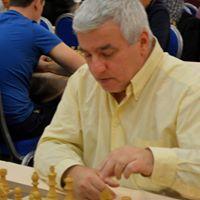

Coach Chesswick
Coaching Feedback for Kiril Georgiev
Dear Kiril,
Having reviewed your recent games, I’d like to highlight some strengths and key areas for improvement to help you progress further.
Strengths
- Opening understanding: Your games show good opening knowledge, especially in d4 and e4 pawn structures with solid moves like early development and castling. You handle common opening lines confidently, such as Queen's Gambit Declined and Caro-Kann structures.
- Positional awareness: You demonstrate strong positional judgment, effectively coordinating your pieces (knights, bishops, and rooks) to control important squares and initiate pressure on opponents’ weaknesses.
- Endgame technique: In some wins, you convert advantages smoothly, using passed pawns and active king placement well. Your technique in exploiting weaknesses like isolated pawns and weak king positions is commendable.
Areas for Improvement
- Time management: In some games, as the clock runs low, your moves become less precise. Focus on balancing your time better to avoid hurried mistakes, especially in critical moments.
- Defensive accuracy: In losses, there were moments where defensive resources were overlooked or slightly inaccurate (“on time” losses suggest potential time pressure or overlooking tactical details). A deeper focus on prophylaxis and resourceful defense could help enhance resilience.
- Tactical alertness: Maintaining tactical vigilance throughout the game will help you seize opportunities and avoid traps. Periodically solving tactical motifs or puzzles can sharpen this skill.
- Plan flexibility: While your positional play is strong, varying your plans according to your opponent’s moves and dynamic changing positions will make you less predictable and more difficult to counter.
Suggestions for Training
- Review your opening repertoire and continue reinforcing mainline theory, ensuring you understand typical pawn structures and middlegame plans associated with them.
- Analyze your losses carefully, especially focusing on the turning points to understand the nature of mistakes. Practice recognizing such positions in training games.
- Spend time on tactical training to improve visualization and calculation speed, which supports better time management in practical play.
- Incorporate endgame studies into your training, as your technique can be further polished with knowledge of key theoretical positions and winning methods.
- Consider playing slower time controls occasionally to allow deeper calculation and deeper learning from each position.
Keep up the good work, Kiril! With consistent study and practice focusing on these aspects, your overall performance will improve significantly.
Best regards,
Your Chess Coach