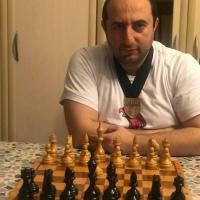
What Artak does well in recent rapid games
You show a willingness to enter dynamic, tactical positions and to fight for the initiative. In several games you navigated complex middlegame imbalances with tenacity, keeping pressure on your opponents and looking for practical chances to complicate the position. Your opening choices indicate comfort with sharp lines and a readiness to steer the game into positions where you can outplay your opponent in practical play.
- Active piece play and readiness to complicate middlegames, which can yield practical winning chances in tough spots.
- Confidence in handling asymmetric structures where you can create counterplay and chances to outthink your opponent.
- Resilience in long games, staying alert for opportunities to turn the tables later in the game.
Key areas to improve
- Time management under pressure: Several rapid games reflected a heavy time commitment in the late stages. Practice pacing so you have a clear plan for the critical middlegame and endgame, and schedule time for the final decisions well before the clock runs low.
- Endgame technique and conversion: In drawn and lost endgames, sharpened endgame conversion would help turn strong positions into wins. Focus on common rook endings, king activity, and simple pawn endgames to convert advantages more reliably.
- Opening knowledge and plan clarity: You often reach sharp middlegames. Build a more concrete plan for each main line you play (what your typical middlegame goals are, what pawn breaks to look for, and how to handle typical piece maneuvers). This reduces aimless improvisation and increases consistency.
- Tactical pattern recognition and calculation depth: Continue strengthening calculation through daily tactics, especially those that arise from the Caro-Kann and Pirc family structures you've practiced. This will help you spot forced lines and avoid oversights in the heat of the game.
Opening insights and practical guidance
Your openings show comfort with solid, theoretically rich lines. Based on your performance, two paths can be especially fruitful:
- Car o-Kann family (including Exchange Variation): Continue deepening the understanding of typical pawn structures, piece activity, and the key square conflicts that arise after the exchanges. Focus on recognizing when to expand on the queenside versus when to maintain solid central control.
- Scotch and aggressive gambit ideas (as you’ve done well in some games): Use these lines to practice forcing lines and to train your calculation under dynamic pressure. Pair these with concrete middlegame plans so you aren’t relying solely on tactical shots.
Practical tip: after each opening, write down a concise plan in plain language (for example, “control the center with pawns, activate the light-squared bishop, prepare the d-pawn push, and watch for a timely kingside break”). This helps you stay goal-oriented in the early middlegame.
Structured training plan (short-term)
- Time management drill: Practice 15-minute rapid sessions where you must reach a solid plan by move 15, then finish the game with clear, incremental goals.
- Endgame practice: Do 2 high-quality endgame sets per week (rook endings with pawns, king and pawn endings). Use a trusted endgame guide or coach-approved exercises to reinforce methodical technique.
- Opening review: Pick your two main lines (Car o-Kann and a chosen variation from your Scotch/Amar Gambit family) and create a simple, repeatable plan for the first 15 moves. Review 2 sample master games for each line to reinforce typical ideas.
- Tactics and pattern work: 20 minutes daily on focused tactics that arise from your typical structures, emphasizing motif recognition (pins, skewers, opposite-side castling ideas, and typical minor piece maneuvers).
- Game review routine: After each rapid game, spend 5–10 minutes writing down 2–3 concrete lessons and 1 actionable change for the next game.
Next steps
Commit to a two-week micro-cycle of focused work on time management, endgame technique, and targeted opening study. After the cycle, review progress with a coach or teammate to verify improvements and adjust the plan as needed. If you’d like, I can help tailor a two-week schedule and generate short practice puzzles aligned with the openings you use most.