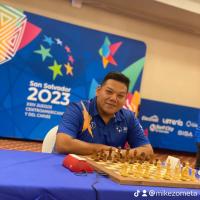
Recent blitz performance overview
You’ve shown you can generate pressure and seize the initiative in sharp lines, especially in dynamic openings like the Kings Indian Attack. In close games you’ve demonstrated resourcefulness in converting advantages, including long, strategic middlegame battles where you outmaneuver in the endgame. To keep improving in blitz, focus on maintaining your initiative while tightening the small details that decide quick games: precise calculation, cleaner endgames, and smoother time management.
Note: your recent openings contributions show solid results in flexible systems (for example Colle System and certain hypermodern setups). Build on these strengths by pairing them with consistent middlegame plans and practical decision-making under time pressure.
Strengths to build on
- Dynamic piece coordination: you often coordinate minor pieces and rooks to attack kingside or pressure central squares when your opponent’s king is castled.
- Initiative in sharp lines: you’re comfortable choosing aggressive pawn advances and forcing tactical skirmishes that yield practical winning chances.
- Opening versatility: you perform well across several openings, giving you options to steer into favorable middlegames under pressure.
Concrete areas to improve
- Time management in blitz: develop a concrete early plan for the first 12–15 moves in each opening. If you’re unsure, switch to a safer, developing move rather than calculating a complex line—this preserves seconds for critical moments later in the game.
- Endgame practicality: blitz often comes down to converting small advantages. Practice common king-and-pawn endings and rook endgames to convert more simple wins without risking extra material.
- Pattern recognition and traps: bolster your ability to spot typical tactical motifs (knights forking, back-rank weaknesses, and overloaded defenders) so you don’t miss forced lines or get surprised in the opening/middlegame phase.
- Move ordering and structure: aim for a clean middlegame structure after your main plan. Avoid over-extending on flank pawn pushes unless you have a clear, concrete continuation.
Opening focus: where you excel and where to tighten
Your openings data shows strong results with Colle System: Rhamphorhynchus Variation and certain flexible setups, as well as solid performance with your reformulated queenside and central plans. You also have wins in several classic defenses like the French and the Sicilian, but some lines (for example Sicilian Chekhover and Najdorf) can get very tactical and time-consuming in blitz. The plan below aims to capitalize on your strengths while smoothing the rough edges.
- Colle System: Rhamphorhynchus Variation – continue building a clear, simple middlegame plan after your first setup moves. Focus on solid pawn structure and quick development of the light-squared bishop and rook on the central file.
- Hungarian Opening: Wiedenhagen-Beta Gambit – leverage your initiative but keep a calm edge in the middlegame to avoid over-ambitious pawn storms when your opponent defends accurately.
- Sicilian Defense: prioritize lines that transition to stable endgames or favorable trades. When you encounter sharper variations, practice a compact, safe continuation to avoid getting tied up in overcomplicated tactics under the clock.
- Sicilian Defense: Najdorf / Chekhover variations – study quick, practical plans and common pawn structures so you can reach workable positions even when you’re low on time.
Sample study notes you can skim between games: Colle System and Sicilian Defense openings offer strong practical chances in blitz; you can also review a example line to study later:
If you want to explore specific openings with quick references, you can check these resources: Kings Indian Attack and Sicilian Defense: Najdorf.
Practice plan for the next two weeks
- Daily tactics sprint: solve 10–15 tactical motifs focused on common blitz patterns (pins, skewers, overloading, and king safety themes).
- Opening rotation (2 per week): pick two openings to study in depth. For each, prepare a 12–15 move practical plan and a 2–3 move checkable sequence you can rely on under time pressure.
- Endgame drills: practice king-and-pawn endings and rook endings with a clock. This improves conversion in tight, time-trouble games.
- Post-game reviews: after each blitz session, write a 3-point recap of what worked, what didn’t, and a concrete improvement for the next game.
- Time-awareness drills: periodically play short 5-minute sessions with a rule to stop and assess at the 2-minute mark to improve clock discipline.
- Live game study: replay one recent win and one recent loss, focusing on how you handled the transition from opening to middlegame and what forced lines you missed. Optional: save the key positions as a quick reference to study later, e.g.,
Insightful notes and placeholders
To keep your study focused, consider logging a short note after each blitz session on: (a) 2 critical moments where you could have chosen a safer plan, (b) 1 tactical pattern you recognized and capitalized on, and (c) 1 improvement in time management.
Useful references you can explore or share with a coach: Mike Zometa to review your overall approach, and Kings-Indian-Attack for the aggressive setup you used effectively in recent wins.