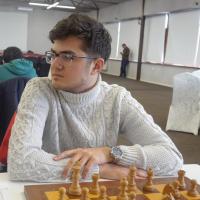
Recent Blitz Performance — Quick recap
You’ve shown a willingness to enter sharp, tactical positions and keep the pressure on your opponent. In blitz, the ability to create activity and force your opponent to calculate is a big asset. There were several moments where you found active ideas and converted them into concrete advantages, including complex middlegame play that led to decisive finishes. At the same time, there were a few slips under time pressure or in heavy complications where a simpler, more principled plan would have kept you in control. The goal now is to keep the aggressive mindset while sharpening the discipline needed to minimize mistakes in fast time controls.
What you’re doing well
- Willingness to complicate when it benefits you. You don’t shy away from tactical battles, which is essential in blitz.
- Active piece coordination. Your rooks and knights often coordinate well to create threats and keep the opponent’s king in check.
- Resilience in long, dynamic lines. You’ve shown you can navigate tricky positions and keep the momentum going until the finish.
- Opening flexibility. You’re comfortable trying different setups and adapting to what your opponent plays, which helps in blitz where surprise is common.
Key areas to improve
- Time management in tight middlegame moments. In some critical junctures you spent too long calculating, then faced tough choices under clock pressure. Develop a habit of setting a move-time target (for example: don’t spend more than a minute on a sequence unless it’s clearly winning) and use quick checks to avoid blunders.
- Blundering under time pressure. Build a simple pre-move checklist: (1) are there any immediate checks or captures? (2) am I sure about threats against my king? (3) what is my opponent’s last move suggesting? These pauses reduce risky rushes.
- Endgame technique, especially rook and minor-piece endings. Practice straightforward endings and learn a few reliable conversion patterns so you can close wins smoothly when the position simplifies.
- Defensive awareness in the face of counterplay. When you push forward, be mindful of potential counterplay and ensure you have a plan to neutralize threats rather than chasing material without a solid justification.
- Opening clarity and plan in blitz. Pick 2-3 solid, easy-to-play openings and study the typical middlegame ideas and endgames from those lines so you feel confident quickly after the first dozen moves.
Opening approach for blitz
Adopt a compact, easy-to-execute repertoire that reduces memory load and simplifies decision-making under time pressure. Consider the following plan:
- White choices: a flexible English opening (1.c4) or a standard Nf3 setup leading to a simple, solid g3/Bg2 structure. This keeps the middlegames comfortable and avoids overextending in the opening.
- Black choices: two reliable defenses that you can rely on in blitz, such as the Caro-Kann or a solid Queen’s Pawn system. Both give clear development and a sound structure without forcing overly sharp lines.
- For both sides, prioritize quick development, connection of rooks, and central control. Avoid unnecessary pawn breaks in the very early middlegame unless the tactic is clearly winning.
Tip: keep a short repertoire cheat sheet you can review between games. This reduces decision fatigue in time-pressure moments.
Training plan and next steps (one week)
- Daily tactic drill (10–15 minutes): focus on recognizing common blitz motifs (back-rank ideas, overloaded pieces, typical checkmating nets) to speed up your calculation in sharp positions.
- Endgame practice (2–3 sessions this week, 15 minutes each): rook endings, rook + pawn endings, and basic king activity in simplified positions.
- Opening refinement (3 sessions): lock in 2 White setups (English with Bg2 and a Nf3-based setup) and 2 Black responses (Caro-Kann and a flexible King’s Indian/Indian setup). Review typical middlegame plans for each line.
- Post-game review (same-day or next day): identify the top 2–3 decision points per game where a different, simpler plan could have kept you comfortable and avoidable mistakes.
- One focused blitz session (weekly): play 15–20 games with a strict time-control, then spend 15 minutes summarizing what still caused the most difficulties (time trouble, tactical oversights, etc.).
Practical next-step ideas
- Prepare a small endgame toolkit: know how to convert a rook ending with a clear outside passed pawn, and how to maximize king activity in rook endings.
- Use a 5-second impulse check at the start of each move to confirm there is no immediate threat and to notice checks, captures, or forcing moves.
- Limit risky pawn breaks in the opening unless they clearly improve your position or win material. In blitz, simpler plans tend to yield more consistent results.
Want tailored guidance?
If you’d like, I can assemble a personalized, 4-week blitz improvement plan based on your preferred openings and the exact positions you find most challenging. For a quick start, tell me which two White setups and two Black defenses you’d like to focus on, and I’ll tailor the drills accordingly.
You can also share your current favorite opening choices or a couple of recent games you’d like to analyze in depth. faridmustafayev2004