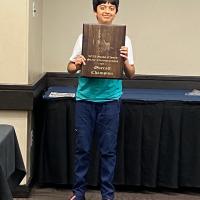
Kaustubh Kodihalli — National Master and Blitz Aficionado
Kaustubh Kodihalli is a titled chess player who earned the National Master title from National. A vivid thinker with a love for swift, tactical clashes, Kaustubh has become a familiar voice in clubs and online tournaments. When the clock is ticking, his creativity shines—and so does his sense of humor. He treats chess like a grand improvisational duet, where every move could be a punchline as well as a plan.
For a quick snapshot of his blitz journey, see the trend chart here:
.
Career Highlights
Earned the National Master title from National, cementing him as a leading figure in the chess scene.
Blitz peak rating of 2692 on 2024-06-29, reflecting sharp intuition under time pressure.
Active competitor across Rapid, Blitz and Daily formats with steady growth and a penchant for creative attacking play.
Profile and games available on his player page: kaustubh_kodihalli.
Playing Style and Time Controls
Kaustubh favors fast, dynamic battles where tactical shots meet practical endgames. He thrives in Blitz, wielding aggressive ideas and a willingness to enter sharp, double-edged positions. A hallmark of his play is a strong ability to rebound from pressure, evidenced by a high comeback potential in time-scrambled moments.
Endgame frequency and tactical readiness: high, with a knack for turning tangled positions into winning chances.
Peak Blitz rating: 2692 (2024-06-29).
Notes on Openings and Repertoire
Kaustubh explores a broad repertoire across formats, balancing ambitious lines with solid fundamentals. His play often blends principled development with practical resourcefulness, making him a tough opponent in fast time controls.
Coach Chesswick
Overview of your blitz progress
Your recent blitz activity shows a positive long‑term trend, with some short‑term fluctuations. You’re comfortable in sharp, tactical moments and can convert advantages when you keep the lines clear. The data suggests you play actively and are capable of recovering after a setback by re‑building initiative in later games.
What you’re doing well
You handle dynamic, tactical positions well and can seize opportunities when your opponent overextends or misplaces a piece.
Your willingness to initiate attacks and keep the pressure on in the middlegame often creates practical winning chances in blitz.
In many openings you’ve shown solid handling of typical middlegame structures, and you’re comfortable shifting between plans as the position changes.
You have the ability to recover from rough spots and keep fighting for activity, even when the position becomes complex.
Key improvement areas
Time management in the opening and early middlegame: aim to develop smoothly and avoid unnecessary piece moves early, which can waste critical seconds in blitz.
Pattern recognition and calculation under time pressure: practice common tactical motifs (forks, pins, skewers, discovered attacks) so you spot them faster in blitz games.
Post‑game analysis habit: after each game, identify 1–2 critical moments where a different plan or move could have reduced risk or increased pressure on your opponent.
Endgame technique in blitz: focus on simplifying when you have a clear advantage and practicing basic rook/2‑knight vs rook endgames to convert small edges reliably.
Opening choices: while your openings show mixed results, consolidating 2–3 reliable lines and mastering their typical middlegame plans will reduce early mistakes and time trouble.
Opening focus and practical recommendations
From your openings performance, you perform solidly with a mix of systems, with particular strengths in quieter, solid lines as well as aggressive, tactical setups. Consider prioritizing 2–3 openings that you feel most natural and study their main plans so you can execute them quickly in blitz.
As Black, continue strengthening the Scandinavian and Caro‑Kann families. They tend to lead to clear development and sound middlegames, which helps in fast games.
As White, maintain a small, reliable core (for example, a solid queen’s pawn system or a flexible setup that can transpose to principled open games) to reduce early guesswork.
Avoid heavily theoretical, gimmicky lines in blitz unless you’ve practiced them enough to feel confident under time pressure.
For quick reference during study, you can review patterns and typical plans for your frequently played openings. If you’d like, I can map out a 2‑week focused opening plan tailored to your current repertoire. kaustubh_kodihalli
Structured training plan (short term)
Daily: 15–20 minutes of tactical puzzles focused on common blitz motifs (forks, pins, skewers, discovered attacks) to sharpen instant recognition.
Weekly: 2 focused opening sessions (30–40 minutes each) on 2–3 preferred openings, with emphasis on listed plans and typical middlegame ideas.
Biweekly: review 3 recent blitz games with a focus on 1 critical moment per game; write down an alternative plan and the expected outcome.
Endgames: practice 2 basic rook endings and 1 basic queen vs rook endgame to improve conversion in time pressure.
Time management drill: play a short practice game where you must announce a plan at move 10 and stick to it unless a clear tactical shot appears.
Optional quick references
Check your profile for a quick, personal recap as you implement these steps: kaustubh_kodihalli