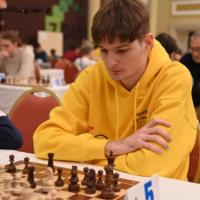
Recent Blitz Performance — What’s going well
Your blitz play shows you’re comfortable chasing dynamic chances and pressuring the position when you have the initiative. In your recent win, you demonstrated willingness to complicate the game and convert a favorable moment into a decisive finish. You also show good resilience in sharp, tactical sequences, which is a strong asset in blitz where time pressure rewards concrete, forcing moves.
Fight and energy in the middlegame are clear strengths. When you activate your pieces and coordinate attacks, you create practical winning chances even from complex positions. That readiness to engage is valuable in fast time controls.
Key areas to improve
- Time management under blitz pressure: practice a simple, repeatable plan for the first 10–12 moves to reduce clock-induced errors. Consider allocating a fixed time window for opening moves and early middlegame decisions, then switch to rapid moves if you’re safely within the time margin.
- Consistency over the long term: the longer-term rating trend shows a drift. Focus on reducing critical mistakes in the transition from opening to middlegame and from middlegame to endgame. After the opening, aim for clear plans rather than staying in uncertain tactical tangles.
- Opening selection and plan: your openings data show strong results in several lines, but there are weaker results in more uncertain or unfamiliar lines. Pick 1–2 go-to defenses or openings you understand deeply and study the typical middlegame plans, not just the first few moves, so you have a reliable road map in the middle game.
- Defense against sharp attacks: in some losses, the opponent’s attack was powerful and hard to defend against. Work on prophylaxis—anticipate threats before they materialize, keep your king safe after castling, and avoid overcommitting to counterplay when your own king is under pressure.
Opening and strategic plan for the next 4 weeks
- Choose 1–2 openings you’re comfortable with (for example, a solid defensive choice and a flexible, dynamic option). Study the typical middlegame plans, pawn structures, and common break ideas in those lines so you can act with purpose after the opening phase.
- Develop a simple, repeatable post-opening plan for each line: if you have equal chances, target a small structural improvement and a safe simplification; if you gain space or initiative, pursue a tempo-generating plan; if under pressure, streamline to a familiar endgame.
- Integrate a practical time-saver: pre-move practice for routine replies in blitz, but only for well-known, low-risk variations to avoid blunders from overconfidence.
Training activities and drills
- Daily 15-minute tactical puzzle session focused on pattern recognition and quick calculation to keep sharp in fast time controls.
- Endgame fundamentals: study rook endings with pawns and basic minor piece endings to convert small advantages efficiently in blitz.
- Post-game review: analyze the last 10 blitz games to identify the main mistake types (hanging pieces, back-rank issues, or missed tactical resources) and build a short checklist of avoidable errors.
Progress monitoring and next steps
I can tailor a 4-week training calendar around your preferred openings and available time. A simple plan could track two metrics: reduce avoidable mistakes per game and improve consistency in the chosen openings. If you’d like, I can generate a personalized schedule and check-in points. %3Copponentusername%3E