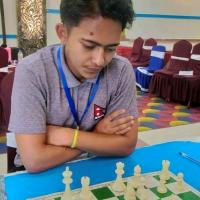
What went well in your recent games
You showed a willingness to sharpen the pace in dynamic positions, especially in Chess960, where piece placement is less fixed and tactics can bloom quickly. Your willingness to press in the middlegame and seek active piece play helped create problems for opponents and convert some advantages into wins.
- You used aggressive openings confidently (for example, flexible and sharp lines in Chess960) to seize initiative and create imbalances that favored you in several games.
- Your willingness to trade into simplified positions when you were ahead helped reduce counterplay and lean into your material edge.
- You demonstrated good endgame conversion in several decisive moments, finishing with a clear plan and active king activity in the final phases.
Key areas to improve
- Opening understanding and consistency: your aggressive openings show potential, but they can backfire if the fingerwork and follow-up plans aren’t precise. Build a simple, reliable middlegame plan for your most frequent Chess960 setups so you can keep activity without losing a clear path.
- Time management: in tighter games, clock management can slip, leading to rushed decisions. Practice a structured calculation routine: identify a primary plan, briefly estimate 2–3 candidate moves, and quickly evaluate their consequences before spending extra time on the best line.
- Pawn structure and prophylaxis: in some losses you encountered challenging pawn structures or exposed king safety. Prioritize preventing opponent counterplay by maintaining solid pawn chains and avoiding get-ahead pawn pushes that create weaknesses.
- Pattern recognition and tactics: continue building a mental library of common tactical motifs (pins, forks, skewers, discovered attacks) so you can spot winning ideas more quickly and accurately, especially in unbalanced middlegames typical of Chess960.
Practical plan for the next 2–4 weeks
- Opening focus: pick 2–3 openings you use most and write a concise 5–7 move plan for each reply you’re likely to see. Create a simple checklist before every move: is my king safe, are my pieces active, is my pawn structure solid, and am I creating or preventing counterplay?
- Calculation practice: do short, daily puzzles (5–10 minutes) that emphasize the motifs you encounter in your openings. After solving, note in plain language what the key tactic was and how you set it up.
- Endgame basics: dedicate 2 sessions per week to essential endgames you’re likely to reach (rook endings, king and pawn endings, and basic rook-versus-rook endgames with pawns). This will help convert subtle advantages into wins and save draws when you’re behind.
- Post-game debrief routine: after each game, write down 3 things you would do differently and 1 thing you did well. This reinforces learning and builds a quick, actionable feedback loop.
- Review with intent: for at least 2 recent games, identify the turning point and craft a concrete improvement for that moment (e.g., a better intermediate move, a safer plan, or a more precise trade).
Optional resources to support your plan
If you’d like, I can tailor quick reference notes for your top openings (for example, Amar Gambit, Elephant Gambit, and Chess960 rhythms) and attach a short set of practice puzzles aligned to those lines. You can also share a recent game to annotate together and extract a focused improvement.