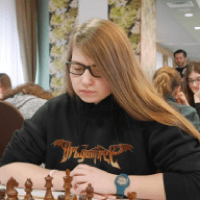
Wiktoria Cieślak is a titled chess player (Woman Candidate Master) known for a fearless, fast-paced approach at the board. A Bullet specialist at heart, she often treats 1-minute games like espresso shots: intense, concentrated, and sometimes wildly inventive. Search engines take note: Wiktoria Cieślak, WCM, Bullet chess, Najdorf, Scotch Game — all appear in her toolkit.
Earned the FIDE title Woman Candidate Master — a formal nod to strong, consistent play under pressure.
Known for remarkable streaks: a longest winning streak of 20 games and a resilient comeback rate (~81%).
Plays across all time controls with big activity in Bullet and Blitz; comfortable turning sharp openings into practical chances.
Frequently faces familiar rivals — for example, a long rivalry with user Bartlomiej Niedbala (many intense encounters).
Playing style & favorite openings
Wiktoria blends tactical alertness with endgame persistence — long decisive games are common and she doesn’t give up the ship easily. She thrives in chaos (and in time trouble), preferring lines that keep the opponent guessing.
Preferred and successful weapons: Sicilian (including Najdorf), the Scotch Game, and aggressive flank systems.
Bullet opening favorites (high volume): Sicilian, Scandinavian and Najdorf systems — reliable for dynamic play and practical chances.
Endgame-savvy: high endgame frequency (77% of games reach late phases) — she grinds when most players would flag.
Memorable mini-game (PGN)
A short, illustrative sequence that captures Wiktoria’s practical, attacking taste. Replay if you like tactical fireworks (viewer will derive the position from the moves):
Strong psychological metrics: comeback rate ~81% and win-after-losing-piece ~48% — she fights back hard.
Notable extremes: longest losing streak 12, current losing streak 2 (every superhero has off-days).
Signature openings performance entries include many wins with the Najdorf and consistent success with Scotch lines — explore Najdorf and Scotch Game for inspiration.
Fun facts & quirks
Title: Woman Candidate Master (WCM).
Best time of day to play: 02:00 — apparently real breakthroughs (and the occasional brilliant blunder) arrive at night.
Early-resignation rate is low (~3.94%) — she fights through awkward positions instead of folding early.
Average decisive game length hovers near 70–80 moves — expect long, dramatic finishes rather than instant checkmates.
Good work — your recent bullet games show the same strengths that pushed your rating up over the last year: sharp opening play, willingness to create imbalances, and decent tactical feel under fire. At the same time there are repeat patterns (king safety, time trouble, pawn grabs that open lines) that cost you games. Below I’ll point out concrete fixes you can use in your next session.
What you’re doing well
Strong, aggressive openings — you score very well with Sicilian / Najdorf lines and the Scotch; you get practical attacking positions often.
Good pattern recognition in tactics — your win conversion rate and strength-adjusted win rate (~0.524) show you capitalize on opponents’ mistakes.
Comfort in sharp middlegames — you create imbalances and complications, which is ideal in bullet where practical chances matter.
Resilience and long-term progress — your multi-month trend is strongly upward (6–12 month slopes are positive), so the work is paying off.
Recurring problems to fix (from recent games)
King safety: in several losses you grabbed material or kept the king in the center and allowed a sequence of checks that ended in mate. Before grabbing a pawn, ask: “Does this open lines to my king?”
Pawn grabs that invite tactics: the Scandinavian game shows Qxg5 followed by a tactical Bxf2+ sequence. When the opponent has active pieces aiming at your king, decline risky captures or calculate one extra defender move.
Time trouble: many decisions were made with under 10 seconds on the clock. That increases blunders and missed defenses. Convert advantages faster and keep a reserve (6–10s) for the critical phase.
Messy simplifications: when the position gets simplified (exchanges on the board), be careful you’re not handing the opponent counterplay with a check sequence or passed pawn.
Missed defensive resources: in check-heavy positions you often sidestepped into more checks. Practice simple defensive motifs (interpositions, blocking checks, stepping to safe squares).
Concrete examples (short)
Win vs chessmaster21306 — you built a strong pawn storm after castling long and kept pressure until your opponent flagged. Strength: creating targets and forcing complications. Next step: convert faster (less time usage in endgame trades).
Loss vs Andrey Krasnov — early pawn grab and queen sortie left your king exposed; the opponent exploited checks and delivered mate. Takeaway: don’t accept a capture that opens the diagonal or file to your king unless you see a clear defensive plan. See also Back rank and king-attack patterns.
Practical bullet fixes (apply immediately)
Keep 6–10 seconds in reserve. If you reach 5s, switch to pre-move only for safe captures/checks.
Before any pawn grab: one-second checklist — (1) Does this open a file/diagonal to my king? (2) Are enemy pieces active on those lines? (3) Can I be mated or lose material after 1–2 forcing moves?
Use simplifying trades when low on time but only if they remove the opponent’s active piece or checks.
Pre-move policy: pre-move obvious recaptures only. Avoid pre-moving when the opponent has a tactical reply that could change the capture.
If you see a series of checks, look for interpositions and trades first — trading queens or giving a checked interposition often kills mating nets.
Training plan (next 2 weeks)
Daily 10–15 minutes tactics: forks, pins, mating nets, discover checks — focus on puzzles with 1–3 moves. (Helps avoid the Qxg5 → Bxf2+ type traps.)
3 practice sessions of 30 minutes each: one pure 1|0 bullet block (apply pre-move rules), one mixed blitz (3|0) focusing on conversion, one slower game (5|0) to drill decision-making under time.
Repertoire consolidation: pick 2 Najdorf/Scandinavian lines you play most and learn the typical “do” and “don’t” pawn grabs for each; memorize 2–3 forced tactical refutations your opponents often have.
Endgame basics: practice king-and-pawn versus king and basic rook endgame patterns — converting while low on time is a practical edge.
Short checklist before each bullet game
Check king safety first move after move 6 (have I created luft? are diagonals/files safe?).
If you’re ahead materially, simplify if it neutralizes opponent activity — trade queens if they have mating chances.
Reserve time for the last 6–8 moves — don’t spend more than 20–25 seconds in opening book stage.
Say to yourself out loud: “Will this capture create checks?” before taking material.
Small goals for your next 50 bullet games
Reduce losses to mating nets by 50% — clip common sequences where the king gets chased.
Keep average remaining time at move 30 above 8 seconds.
Increase conversion after advantage (turn + material into win) — aim to convert at least 65% of winning positions you reach.
Read one short article on defending against mating nets — search for “back rank” and king safety motifs; check Back rank.
Replay the two recent games and pause at every queen move — ask “does this create new checks?”
Closing — one last tip
You have the skills and the openings to dominate in bullet. The next big gains come from small habits: refuse unsafe material grabs, protect your clock reserve, and trade when it solves tactical threats. If you want, I can make a 10–day micro-training schedule (tactics list + daily drills) tailored to your Najdorf/Scandinavian repertoire — tell me which you prefer and I’ll draft it.