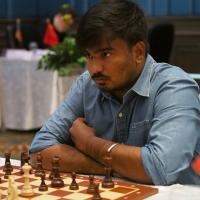
Overall impression
You’re playing with clear attacking energy and often create pressure through active piece play. In blitz, your willingness to complicate positions is a strength that can overwhelm slower opponents. To keep that edge, focus on reducing avoidable mistakes in later phases and under time pressure.
What you’re doing well
- You coordinate your pieces well when you have the initiative, generating tangible threats in many games.
- You convert advantageous middlegame activity into wins, showing strong calculation when the position is tactical.
- Your endgames can be decisive when you stay precise and keep the opponent’s king in the heat of the action.
Areas to improve
- Time management: balance quick, solid moves with deeper calculations. Try to avoid spending too long on speculative lines in blitz.
- Blunder prevention: watch for pieces that can become en prise or traps you may miss in fast games. Practice quick pattern recognition to spot threats before committing.
- Endgame clarity: when ahead, pursue a simple, concrete plan rather than chasing extra material. Focus on controlling the opponent’s counterplay and simplifying to win.
- Decision discipline: build a small, reliable blitz repertoire and stick to it for a stretch to reduce overthinking and fatigue.
Opening choices and plan
Your openings show comfort with modern setups, which is great for dynamic play. For blitz, consider locking in a small, dependable set of openings and study the typical middlegame ideas that come after the first 8–12 moves. This reduces mind-sprint decisions and helps you execute plans more consistently when the clock is ticking.
Practice plan and next steps
- Daily: 15–20 minutes of tactical puzzles focused on common motifs such as forks, pins, and discovered attacks.
- Weekly: 1 focused openings session and 1 endgame drill (rook endings and king activity are especially useful in blitz).
- Post-game: spend 8–12 minutes reviewing each blitz game to identify one notable mistake and a safer alternative move.
- Time management drills: practice with longer time controls from time to time to rehearse pacing, then apply the patience and structure to blitz.
Optional next step
If you’d like, I can tailor a two-week plan based on your current opening choices and typical endgames you encounter, including a puzzle set and endgame drills aligned to your games.