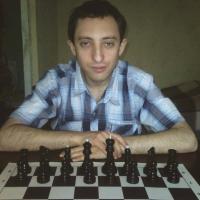
Alexey’s blitz feedback — quick read
You’ve shown strong fighting spirit in blitz, with sharp middlegame play and the ability to convert pressure into a win in some games. Your recent success shows you can coordinate pieces and capitalize on tactical chances when the position is dynamic. The data also hints at where you can steadily raise your level with focused practice.
What you’re doing well
- Initiative and energy in the middlegame: you create forcing lines and keep the opponent under pressure, which often yields tangible advantages.
- Ability to finish off games when you have the initiative: you convert attacking chances into concrete results, as shown in your recent decisive wins.
- Opening experimentation shows you handle dynamic lines reasonably well and can pick practical paths that suit your style (for example, the Amar Gambit and Scandinavian family lines are generating favorable results for you).
- Resilience under time pressure: you don’t collapse quickly in tight spots and can keep fighting, which is essential in blitz.
Areas to improve — concrete steps
- Time management in sharp positions: in blitz, you often reach tactical mêlées where a precise move choice is critical. Practice making a quick “first look” assessment (what is my best forcing move? what is the direct threat I must answer?) within 10–15 seconds, then spend a bit more time on the candidate moves that actually exist.
- Pattern recognition in tactics: some losses came from missed tactical themes. Increase your puzzle practice focusing on common motifs (forks, pins, skewers, overloading, and back-rank ideas) to raise your automatic recognition under time pressure.
- Endgame technique: you’ll benefit from refining rook endings, king activity, and pawn endgames. Even a simple plan like activating the king, creating counterplay with a passed pawn, and converting a pawn majority can turn many blitz results in your favor.
- Opening decision discipline: you’ve shown comfort in aggressive openings, but in blitz you’ll benefit from having a few solid, low-variance lines as backups. This lowers the risk of getting into uncomfortable positions early on.
- Consistency in long tactical sequences: when the position becomes deeply tactical, try to settle on a clear plan rather than evaluating every branch. Seek forcing moves first and only branch when necessary.
Opening insights and practical recommendations
Your openings data shows that the Amar Gambit and Scandinavian Defense are among your most successful choices, with solid win rates. The French Defense and Alekhine involve sharp play that also suits your appetite for complex positions. Consider the following plan:
- Continue developing familiarity with Amar Gambit and Scandinavian lines. Build quick reference notes for typical middlegame plans, key pawn structures, and common tactical ideas you should look for after the early complications.
- Maintain a reliable, solid response against aggressive opponents. Have a few “safe” lines in reserve that you can rely on when you’re in a time crunch or facing unfamiliar setups.
- When you’re unsure in the opening, steer toward calmer, straightforward paths that keep your pieces active and your king safe, then rely on your middlegame energy to create chances.
Training plan for the near term
- Daily tactical drills: 15 minutes of puzzles focusing on pattern recognition (forks, pins, discovered attacks) to improve fast calculation in blitz.
- Endgame practice: two short rook-endgames per week and one king-and-pawn endgame study to reinforce practical conversion skills.
- Opening review: 2 sessions per week dedicated to Amar Gambit and Scandinavian lines. For each session, identify 2-3 common middlegame plans and 1 frequently occurring tactical theme to watch for.
- Post-game reflection: after each blitz session, pick one winning idea you want to repeat and one decision that could be improved. Write a brief note and test that idea in your next game.
Small, actionable checklist for next week
- Complete 5 tactical puzzles daily, focusing on quick recognition rather than deep calculation.
- Practice an Amar Gambit line and a Scandinavian line each twice, noting the main middlegame ideas you expect to see.
- Review 2 recent blitz games: identify one moment you over- or under-calculated, and write down the alternative path you could have taken.
- Do a light endgame drill: rook endings with pawns on opposite wings, and practice keeping the king active.