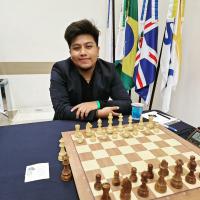
Blitz Game Feedback for Pablo Ismael Acosta
Below are constructive observations and practical steps to improve your blitz play, based on your recent loss, draw, and opening performance data. The goal is to build steadier, more confident play under time pressure while expanding a reliable, easy-to-execute opening repertoire.
What stood out in the most recent games
- You pursue active, tactical routes when the position allows it, which can create chances but also invites sharp exchanges. In blitz, it’s easy to overextend and miscalculate long forcing lines; strengthen your ability to assess whether a line is truly favorable before committing to a sequence of trades.
- Time management and decision pace are critical in blitz. There were moments where deeper calculations could have been shortened or avoided, especially when the position remains complex but still balanced. Practice setting a mental cap on how long you spend on critical decisions and stick to it.
- Endgame conversion matters. Focusing on keeping pieces coordinated and avoiding premature rook trades helps in long endgames. Strengthen routines that maximize king activity and active rooks in simplified endings.
- Opening choices show a mix of aggressive lines and solid defenses. Leveraging aggressive lines can win games, but you also encounter positions where you’re unsure of the plan after the initial tactics. Build a compact, repeatable opening plan for both sides to reduce decision fatigue in blitz.
Opening performance: what to take forward
Your results indicate you perform well in certain aggressive setups, and have mixed results in other lines. To gain consistency, consider tightening your repertoire around two to three coherent systems for White and two for Black, each with a clear middlegame plan. For quick study, explore ideas in these areas:
- Bogo-Indian Defense and Grunfeld-type lines (plan around piece activity and typical pawn structures) Bogo-Indian Defense.
- Aggressive options like the Amazon Attack family (focus on timely piece coordination and typical attacking motifs) Amazon Attack.
- Solid, flexible lines such as French Defense variants and Colle System ideas that help you reach comfortable endgames faster. French Defense and Colle System.
Practical improvement plan
- Two-repertoire approach: choose two reliable White openings and two Black defenses, each with a simple, repeatable middlegame plan. Study the key pawn structures and typical plans for those lines over the next 4 weeks.
- Post-game notes: after each blitz game, write three bullet points: what went well, what didn’t, and what you would change next time. This habit makes your learning concrete and trackable.
- Time management drills: run short, focused drills where you allocate a fixed amount of thinking time for the opening (e.g., 5–7 minutes for the first 15 moves) and keep a steady pace in the middlegame. Practice finishing critical sequences within a reasonable time so you aren’t left with hard choices when time pressure hits.
- Tactics and pattern recognition: commit to a daily 15-minute tactical puzzle session emphasizing common blitz motifs (forks, pins, skewers, and discovered attacks) to sharpen fast calculation under pressure.
- Endgame consistency: dedicate one session per week to endgames (especially rook endings and king activity) with simple conversion patterns, so you can finish balanced games with confidence.
Sample practice plan (4-week outline)
Encouraging next steps
If you’d like, I can tailor a concrete 4-week study plan with daily puzzles, opening lines, and endgame drills aligned to your preferred styles. You can also share a couple of your recent blitz games and I’ll annotate them move-by-move to pinpoint exact decision points worth improving.