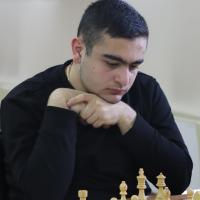
Blitz Performance: What stands out
In blitz you’re showing good energy and willingness to fight for initiative. Your openings demonstrate a comfort with solid, tactical structures, and you often keep the position open enough to create opportunities in the middlegame. The Scandinavian-leaning lines and Caro-Kann–style structures appear to suit your style, helping you maintain pressure and generate active chances even when the position is unclear.
Key improvement areas
- Time management under pressure: blitz games tend to swing on time. Develop a routine to reach the critical middlegame with solid time on the clock (for example, aim to have 2–3 minutes left after about 25 moves). Use a simple two-minute check after each move to avoid drifting into complex lines you don’t have time to finish.
- Consistency in the early middlegame: in some games the position becomes very tactical very quickly. Strengthen your plan by identifying 1–2 typical middlegame ideas for your main openings and stick to a concrete plan (piece activity and pawn structure) rather than chasing every tactical shot.
- Endgame technique in blitz: when queens and rooks are cruising around, many games hinge on converting small advantages. Practice rook endings, king activity, and creating outside passed pawns so you can convert more of your winning chances.
- Tactical pattern recognition: continue building a library of common tactical motifs (forks, pins, skewers, discovered attacks) and train to spot them quickly. Short daily puzzles can dramatically reduce time spent on tactical blunders.
- Opening repertoire refinement: your openings data shows strong performance with some lines (notably Scandinavian). Consider consolidating 1–2 primary responses to common defenses and adding a couple of well-understood deviations to keep opponents guessing without overloading working memory.
Opening plan for blitz
Your strongest opening results come from lines like the Scandinavian Defense, where you can seize early activity and keep the middlegame dynamic. Caro-Kann also performs well, offering solid, resilient structures. To build confidence and reduce decision fatigue in blitz, consider the following plan:
- Lock in 1–2 opening pairings you’re most comfortable with (for example, Scandinavian as Black and a flexible mainline as White).
- Study 2–3 typical middlegame plans for each opening so you can shift from development to a clear plan quickly.
- Review a handful of common responses from opponents to these openings and prepare quick, safe lines to avoid getting tangled in unfamiliar branches.
- In practice, focus on keeping pieces active, maintaining a solid pawn structure, and avoiding unnecessary queen moves in the early middlegame.
Practical training plan
- Daily tactics: 15–20 minutes of puzzles focusing on forks, pins, and discovered attacks to sharpen quick calculation.
- Endgame drills: spend 20–30 minutes per week on rook endings and king activity exercises. Learn the basic rules (outside passed pawns, active king, simplifying when advantageous).
- Blitz simulation: 2–3 times this week, play 5+0 or 3+2 games with a strict time limit and record where time pressure caused poor decisions. Review those moments and extract a single improvement per game.
- Post-game review: after each blitz session, annotate one good decision and one area for improvement in a concise two-bullet summary per game.
Openings reference and quick links
For quick reference, your strong performance with the Scandinavian Defense suggests continuing to leverage that line. You may also explore related solid structures like the Caro-Kann to diversify your pressure-heavy play. If you want a compact study guide for your next sessions, consider using these anchors: Scandinavian Defense, Caro-Kann Defense
Additional notes
Keep building on the momentum you have in the 3-month and 1-month trends by turning positive moments into repeatable patterns. Regular, focused practice on time management and endgame conversion will help you translate your opening strengths into more consistent blitz results. If you’d like, I can tailor a one-week, two-week, and one-month training plan aligned with your preferred openings and time controls.
Profile placeholder
For quick reference during coaching, see the player profile: Alex Sahakyan