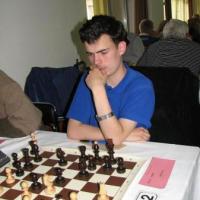
Overview of practical takeaways from your recent blitz games
You showed willingness to activate your pieces and press in the middlegame across your recent games. The win demonstrates how timely exchanges can open lines for your pieces and convert pressure into a victory. The loss highlights how a sharp tactical sequence can tilt the position quickly, so strengthening your defense against aggressive setups is valuable. The draw indicates you can sustain pressure in complex positions, but there were moments where simplifying or prioritizing king safety would have reduced risk. These are common blitz patterns to refine as you train for faster time controls.
Key improvement areas to focus on
- Endgame clarity and simplification decisions: In some late exchanges, there were opportunities to simplify with a clear plan (for example, trading into rook endgames or minor-piece endings where your activity matters more than material). Practice identifying when to simplify versus when to keep tension.
- Tactical vigilance in dynamic positions: In sharper lines, the board can become highly tactical very quickly. Build a quick pattern repertoire (forks, pins, skewers, and discovered attacks) and practice spotting forcing moves in the first 10–15 seconds of a new position.
- King safety and back-rank awareness: In blitz, back-rank and open-file threats can decide the game fast. Prioritize solid king shelter after development and be mindful of lines that expose the king to rapid counterplay.
- Opening plan and structure under time pressure: You mix solid setups with sharper lines. For blitz, it helps to commit to one or two straightforward plans in each opening as a fallback, so you can keep momentum even when the clock runs low.
Practical drills to implement next
- Daily tactical patterns: Solve 15–20 tactical puzzles focused on forks, pins, discovered checks, and king safety patterns. Do a quick review of each solution and note the motif used.
- Endgame basics: Practice rook endings and minor-piece endings with a partner or a simple engine drill. Focus on keeping rooks active, activating the king, and using the outside passed pawn idea when it exists.
- Two-opening plan reinforcement: Pick two openings you play frequently and study 2–3 typical middlegame plans for each. Create short cheat-sheets with the key ideas, common pawn structures, and typical maneuvers you should aim for.
- Blitz timing discipline: In each session, allocate fixed portions to move generation, calculation, and review. Example: 2 minutes to develop a plan, 2 minutes to calculate forcing lines, and 1 minute to check king safety before each critical decision.
Two-week focused plan
- Choose two openings you enjoy (for example, a solid, flexible setup against 1.d4 and a dynamic line against 1.e4) and study 3 model games for each. Note the typical plans and common pawn structures you want to reach.
- Every day: 20–30 minutes of tactical puzzles, 20–30 minutes of endgame practice, and 2 short blitz sessions (3–5 games each) focusing on applying the opening plans and the new patterns you’ve studied.
- After each blitz session, write a one-sentence takeaway: one thing you did well and one concrete improvement to work on next time.
Openings in your repertoire: a balanced path forward
Your current openings show you are comfortable with a mix of solid and dynamic ideas. To reduce risk in blitz, aim for two trusted lines with clear, repeatable plans. Build simple mental models for middlegame plans that arise from those structures (for example, play for piece activity and control of open files, or aim for a solid pawn center and counterplay on the wings). This approach helps you stay consistent under time pressure while still keeping chances to seize the initiative when the position allows.
Next steps and monitoring progress
Implement the two-week plan and then review what changed in your decision-making and calculation under time pressure. If you’d like, share a brief summary after each week describing a couple of concrete improvements you noticed in your play or a few critical moments you handled better. I can tailor additional drills and focused feedback based on those notes.