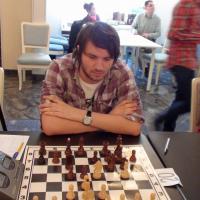
What you're doing well
You show good energy and clarity in dynamic middlegames. When you get the initiative, you coordinate your pieces actively and create pressure on the opponent's king and open files. Your willingness to probe for weaknesses and your use of rooks and the queen to threaten multiple targets can put opponents under real stress. You also handle sharp tactical moments with confidence, which is a strong asset in rapid time controls.
Key areas to improve
- Opening consistency: you have tried several aggressive setups, which can win quickly but sometimes leave you with awkward structures. Consider adopting two reliable openings for White and two for Black, and study the typical middlegame plans and common responses in those lines to avoid getting into unfamiliar positions early.
- Time management: rapid games can tempt you into deep lines before you have a clear plan. Practice making a simple, solid plan for the first 10 moves, then reassess. Try to keep at least a couple of safe, time-efficient options in reserve for tricky moments.
- Endgame technique: several games reach late endings where converting a small advantage becomes the deciding factor. Strengthen basic rook endgames and king+pawn endings, and learn practical methods to convert advantages without grabbing unnecessary complications.
- Calculation discipline: when the position becomes tactical, slow down and verify threats and captures. A quick rubric like: check, capture, and consider the opponent's best reply can help you avoid overestimating complex lines.
- Positional awareness: watch for overextension and pawn structure shifts that invite counterplay. Prioritize keeping pieces actively placed on open files and central squares, and be mindful of pawns that create weaknesses if advanced too early.
Concrete practice plan
- Puzzle routine: dedicate 15 minutes daily to tactical puzzles focusing on themes that show up in your games (forks, pins, skewers, and back-rank motifs).
- Opening study: choose two lines from your strongest openings (for example Gruenfeld: Exchange Variation and an English-based system) and review the typical middlegame ideas and common responses. Keep a short, simple plan for each line.
- Endgame training: run 2–3 short rook endgame drills per week and work through basic king-and-pawn endings to improve conversion skills in practical games.
- Post-game review routine: after each rapid game, write down one critical mistake and one alternative plan. If possible, compare with a coach or engine to confirm best ideas.
- Time-control adaptation: in every game, aim to establish a plan by move 10 and avoid unnecessary complications when you are low on time. Use practical moves that maintain a solid position rather than chasing complex tactics without a clear benefit.
Encouragement and next steps
You're making steady progress and your sharp play is a strong asset. By strengthening opening choice, improving endgame technique, and sharpening your calculation discipline, you can turn more of your promising middlegame positions into clean wins. Keep leaning into your strengths—active piece play and initiative—and pair them with consistent, level-headed planning in the opening and endgame.
If you’d like, I can tailor a two-week micro-plan focused on Gruenfeld and one other opening you enjoy, with daily puzzles and a short review routine. your%20profile