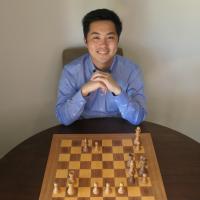
Junta Ikeda (nekochabo) - International Master Extraordinaire
Meet Junta Ikeda, an International Master recognized by FIDE who dances brilliantly on the chessboard with a mix of tactical wizardry and a knack for endurance. Starting from a humble Blitz rating of 1200 in 2013 (because hey, everyone starts somewhere), Junta skyrocketed to an impressive Blitz peak rating of 2933 in 2024. This is no casual walk in the park but a sprint fueled by countless games and furious calculations.
Whether it’s the blistering speed of Bullet chess or the more measured pace of Rapid, Junta thrives. With a Bullet peak rating of 2831 and Rapid maxing out at 2680, they prove to be a versatile player, equally at home in adrenaline-pumping time scrambles or thoughtful positional battles. Over thousands of games, their win rate hovers around a solid 58-67%, the mark of a seasoned competitor who knows when to attack and when to sit tight.
Fun fact: Junta boasts an incredible 91.12% comeback rate and a perfect 100% winning rate after losing a piece — talk about turning lemons into lemonade! Sometimes, it’s as if the opponent is giving them free material just to watch the magic unfold. Also, with an average win length of about 75 moves, Junta clearly enjoys marathoning those endgames, savoring every tense moment until victory is sealed.
Known among opponents for their resilience, Junta's psychological tilt factor is a relatively low 11, suggesting zen-like patience under pressure (or possibly a secret stash of green tea). Their strongest spells of dominance include an astonishing 27-game winning streak and an active current streak to keep everyone guessing.
Playing Style & Personality
- Opening Strategy: Mysterious and hard to read — "Top Secret" is no joke in their opening repertoire.
- Endgame Enthusiast: Engages in endgames in over 84% of games, proving that Junta loves wrestling in those final strategic battles.
- White vs Black Win Rates: Prefers White slightly with a 62.5% win rate, but Black pieces get no rest either at nearly 60% wins.
- Early Resignations: A mere 12% resignation rate, because giving up is not in their vocabulary.
Junta’s favorite opponents vary from chess legends like Nigel Short to numerous online challengers, with win rates ranging widely — but consistently showing fierce competitiveness and respect for the game.
In a nutshell, Junta Ikeda is the player who might smile while turning a lost game around and treat your best move as a warm-up for the real challenge ahead. Whether blitzing or bulleting, they make chess look both terrifying and fun — a combination worthy of any aspiring master.
What went well in your rapid games
You show good readiness to activate your pieces and keep the game dynamic. In many middlegame moments you pursue pressure, create practical chances, and look for counterplay even when the position is tight. Your ability to castle safely early in the game helps you coordinate your rooks and queen, and you often find chances to complicate the position when your opponent overstretches.
When the game heads into the endgame, you sometimes convert active piece activity into practical chances, which is a strong indicator of tenacity and fighting spirit.
Opening choices and middlegame plans
Your results suggest you perform well with sharp, dynamic openings that lead to imbalanced structures, such as the Dutch Defense and certain Najdorf setups. These lines can give you clear practical chances and opportunities to seize the initiative.
Some openings, like the Catalan in recent samples, appear to be less successful for you. Consider focusing on a smaller set of reliable lines within your preferred openings so you know the typical middlegame plans and common pitfalls inside those structures.
For the less-tested openings, prepare specific middlegame plans ahead of time (for example, typical pawn breaks, piece routes, and optimal piece placement) so you can transition from opening to a clear plan rather than improvising on the fly.
Time management and decision making
In rapid games, it’s easy to drift into lengthy calculations in complex positions. A practical improvement is to identify forcing moves and key candidate plans quickly, then verify the most promising line with a quick, structured calculation before moving on.
Rule of thumb you can try: at each critical moment, pick 2–3 candidate plans (not just moves), decide on a primary plan within short time, and spend a fixed small amount reviewing the opponent’s direct threats before committing to a long line. This helps maintain pressure while reducing time pressure later in the game.
Endgame technique and converting advantages
You often reach interesting endgames, so strengthening endgame technique will yield tangible gains. Focus on king activity, creating and advancing passed pawns, and simplifying into won rook endings when you have the edge. Regular practice of rook endgames and king–pawn endings will help you convert more advantages into wins in rapid time controls.
During practice, analyze a few recent endings you won or nearly won to identify the clean conversion patterns you used and any recurring mistakes to avoid.
Training plan to lift your results
- Week 1 — Tactics and quick pattern recognition (15–20 minutes daily): focus on motifs that commonly appear in rapid games (forks, discovered attacks, back-rank ideas, hanging pawns).
- Week 2 — Opening refinement (3–4 sessions): deepen your understanding of Dutch Defense and Najdorf lines, including typical middlegame plans and common tactical themes you can leverage.
- Week 3 — Endgame study (3 sessions): practice rook endings, rook + minor piece endings, and standard king-and-pawn endings to improve conversion authority.
- Week 4 — Game review (4 sessions): analyze four recent rapid games with a focus on decision points, identify one concrete improvement per game, and implement it in practice games.
Optional notes and next steps
If you’d like, I can annotate your latest win in detail, pointing out key moments where alternative plans could have led to an easier path to victory or where misjudgments shaped the outcome. We can also tailor a short, focused training plan around the exact openings you play most often in rapid format.
🆚 Opponent Insights
| Most Played Opponents | ||
|---|---|---|
| Anton Smirnov | 11W / 31L / 3D | View Games |
| halfnatty | 18W / 8L / 4D | View Games |
| IKKPHD | 8W / 8L / 5D | View Games |
| Aleksandra Maltsevskaya | 10W / 8L / 2D | View Games |
| Robert L. Hess | 7W / 12L / 1D | View Games |
Rating
| Year | Bullet | Blitz | Rapid | Daily |
|---|---|---|---|---|
| 2025 | 2778 | |||
| 2024 | 2801 | 2894 | ||
| 2023 | 2796 | 2793 | 2680 | |
| 2021 | 2724 | 2701 | 2499 | |
| 2020 | 2728 | 2720 | 2456 | |
| 2019 | 2502 | 2770 | 2454 | |
| 2018 | 2643 | 2660 | 2415 | |
| 2017 | 2522 | 2547 | ||
| 2016 | 2388 | 2000 | ||
| 2015 | 2515 | 2511 | ||
| 2014 | 2576 | 2446 | 2000 | |
| 2013 | 1200 | 1200 |
Stats by Year
| Year | White | Black | Moves |
|---|---|---|---|
| 2025 | 12W / 10L / 1D | 9W / 12L / 4D | 85.8 |
| 2024 | 139W / 89L / 15D | 130W / 95L / 19D | 89.5 |
| 2023 | 141W / 100L / 17D | 145W / 104L / 11D | 83.8 |
| 2021 | 39W / 18L / 4D | 42W / 19L / 3D | 78.2 |
| 2020 | 54W / 18L / 6D | 46W / 22L / 6D | 77.1 |
| 2019 | 61W / 29L / 6D | 60W / 27L / 6D | 79.4 |
| 2018 | 142W / 81L / 11D | 141W / 78L / 15D | 79.1 |
| 2017 | 10W / 3L / 1D | 8W / 6L / 0D | 82.1 |
| 2016 | 5W / 3L / 1D | 3W / 5L / 0D | 90.8 |
| 2015 | 17W / 12L / 1D | 16W / 12L / 1D | 78.9 |
| 2014 | 158W / 41L / 4D | 140W / 60L / 1D | 72.2 |
| 2013 | 1W / 0L / 0D | 0W / 1L / 0D | 65.5 |
Openings: Most Played
| Blitz Opening | Games | Wins | Losses | Draws | Win Rate |
|---|---|---|---|---|---|
| Colle System: Rhamphorhynchus Variation | 69 | 39 | 25 | 5 | 56.5% |
| Hungarian Opening: Wiedenhagen-Beta Gambit | 54 | 37 | 17 | 0 | 68.5% |
| English Opening: Agincourt Defense | 48 | 26 | 18 | 4 | 54.2% |
| Modern | 46 | 32 | 10 | 4 | 69.6% |
| English Opening: Caro-Kann Defensive System | 39 | 23 | 14 | 2 | 59.0% |
| King's Indian Attack | 39 | 17 | 20 | 2 | 43.6% |
| Dutch Defense | 35 | 23 | 12 | 0 | 65.7% |
| Amazon Attack: Siberian Attack | 33 | 16 | 16 | 1 | 48.5% |
| Italian Game: Two Knights Defense | 33 | 20 | 11 | 2 | 60.6% |
| English Opening: Anglo-Indian Defense | 32 | 17 | 14 | 1 | 53.1% |
| Bullet Opening | Games | Wins | Losses | Draws | Win Rate |
|---|---|---|---|---|---|
| Colle System: Rhamphorhynchus Variation | 62 | 44 | 16 | 2 | 71.0% |
| Amar Gambit | 29 | 22 | 7 | 0 | 75.9% |
| English Opening: Caro-Kann Defensive System | 23 | 12 | 9 | 2 | 52.2% |
| Sicilian Defense: Alapin Variation, Sherzer Variation | 21 | 14 | 7 | 0 | 66.7% |
| Döry Defense | 19 | 10 | 9 | 0 | 52.6% |
| Sicilian Defense: Closed | 19 | 13 | 5 | 1 | 68.4% |
| Sicilian Defense: Kan Variation, Knight Variation | 18 | 14 | 4 | 0 | 77.8% |
| Sicilian Defense | 17 | 12 | 5 | 0 | 70.6% |
| Modern | 15 | 9 | 6 | 0 | 60.0% |
| Amazon Attack: Siberian Attack | 14 | 11 | 2 | 1 | 78.6% |
| Rapid Opening | Games | Wins | Losses | Draws | Win Rate |
|---|---|---|---|---|---|
| Sicilian Defense | 6 | 4 | 2 | 0 | 66.7% |
| Colle System: Rhamphorhynchus Variation | 4 | 2 | 2 | 0 | 50.0% |
| Dutch Defense | 4 | 4 | 0 | 0 | 100.0% |
| Sicilian Defense: Taimanov Variation | 2 | 1 | 1 | 0 | 50.0% |
| Dutch Defense: Queen's Knight Variation | 2 | 2 | 0 | 0 | 100.0% |
| Sicilian Defense: Najdorf Variation | 2 | 2 | 0 | 0 | 100.0% |
| Catalan Opening | 2 | 0 | 1 | 1 | 0.0% |
| Blackburne Shilling Gambit | 2 | 1 | 0 | 1 | 50.0% |
| English Opening: Anglo-Indian Defense | 2 | 1 | 1 | 0 | 50.0% |
| Italian Game: Two Knights Defense | 1 | 1 | 0 | 0 | 100.0% |
🔥 Streaks
| Streak | Longest | Current |
|---|---|---|
| Winning | 27 | 0 |
| Losing | 11 | 1 |