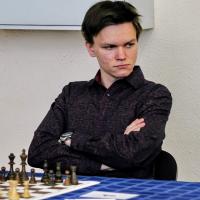
Summary for Nikita Afanasiev
Nice stretch of blitz — you’re converting winning positions and your opening results (Modern, Colle, Amar Gambit, etc.) are solid. Your strength-adjusted win rate (~51.4%) and recent positive rating slope show form. Below are targeted, practical points to keep the momentum and reduce the avoidable losses.
What you did well (concrete examples)
- King‑side play and pawn storms: in your Modern game vs Loic Travadon you pushed pawns energetically and opened lines toward the enemy king — the sequence ending with Rxf6 and Rxh6 cleaned up the game efficiently.
- Active rooks and piece coordination: you repeatedly used rooks on open files and doubled rooks to increase pressure (good awareness of rook activity).
- Accurate finishing technique: when you gained an initiative you tended to press it rather than liquidate too early — that earns wins in blitz.
Recurring issues to fix
- Tactical oversights late in the middlegame — several losses show a pattern where a tactical resource from the opponent (sacrifice or back‑rank threats) changes the evaluation quickly. Example: in your last loss vs Loic Travadon you allowed heavy‑piece infiltration and a decisive check sequence after 33...Rxf2 — be extra cautious where queens and rooks can reach your back rank.
- Counterplay underestimation — you sometimes grab material/attack but underestimate the opponent’s counterplay (rook/queen checks or passed pawns). Before committing to a tactical pawn grab, scan for checks and forks.
- Time management in complicated positions — you often reach critical positions with low clock. This increases the chance of tactical blunders in blitz; aim to keep a 15–25 second buffer before sharp decisions.
Concrete, actionable plan (next 2 weeks)
- Daily: 20 rapid tactics (focus: pins, forks, discovered attacks). Use 3–5 puzzles where you must calculate 3+ moves ahead.
- Every other day: one 10‑15 minute review of a recent loss — identify the turning move and write 1–2 alternative candidate moves you should have played.
- Weekly: 3 thematic blitz games where you force yourself to play the same opening line (build depth, not just breadth) — emphasize your strong openings like Modern and Colle System: Rhamphorhynchus Variation.
- Endgame: 3× per week practice basic rook endgames and king + pawn vs king scenarios (these are decisive in blitz conversions).
Opening & repertoire suggestions
- Double down on what works: your Modern performance is excellent — keep the structure and typical pawn breaks. Study 5–8 model games in that line to internalize plans rather than memorizing moves.
- If you want more stability vs tricky sidelines, add a simple, practical reply to early flank play — aim for setups where you get solid center control and clear plans (avoid too many unknown transpositions in blitz).
- Use the openings where your stats are strongest (Colle variant, Amar Gambit, Unknown lines) as surprise weapons in fast time controls.
Practical play tips for blitz
- Before every pawn capture or forcing pawn push, do a 3‑second tactical scan: checks, captures, threats to your king and loose pieces.
- Keep your king safe by creating luft or avoiding opening the 7th/8th ranks when queens are active.
- When ahead, swap down to a winning endgame only if you’re confident — otherwise keep tension and avoid premature simplifications that allow counterplay.
- Use the first 8–10 moves as tempo to get the opponent out of book — small improvements there reduce tactical surprises later.
Short drills (do these this week)
- Tactics sprint: 12 minutes each day — aim for accuracy, not speed. Mark the ones you miss and re-solve them next day.
- Two losses post‑mortem: pick your two most recent losses and write the single moment the evaluation flipped and why.
- Three 5+0 games with a 20s penalty for hanging pieces: if you blunder a piece, immediately stop and annotate the position for 60s before continuing — builds pause/scan habit.
Example: watch this winning sequence
Review this game finish — it highlights the strengths listed above (pawn storm + rook penetration). Replay and ask: where did the opponent lose control of the g‑file and how could they have defended differently?
Final note — keep it simple and consistent
Your historical data shows you can reach very high peaks — focus on reducing tactical mistakes, reinforce the openings that fit your style, and build a short daily routine that balances tactics, analysis of losses, and fast practice. That will keep your blitz score trending upward.
If you want, I can: (1) analyze one of your loss positions move‑by‑move, or (2) build a 2‑week daily training schedule tailored to the openings you prefer.