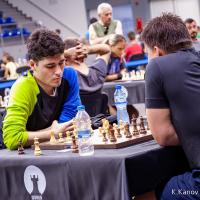
Recent bullet game feedback for Tsvetan Stoyanov
You've shown strong willingness to fight for tactics and maintain pressure, especially in winning moments. There are clear opportunities to tighten time management and simplify when ahead. The following notes focus on practical steps you can take to turn more of these exciting positions into consistent results.
What you did well
- You demonstrated sharp tactical vision in your winning game, finding forcing lines that created decisive advantages and a clear path to victory, even under the clock.
- Your pieces stayed active and coordinated through the middlegame, keeping the opponent under pressure and creating practical winning chances rather than settling for passive defense.
- You showed resilience in complex, dynamic positions and were able to convert advantages into a finish, such as promoting a pawn timely and leveraging the resulting material edge.
- Even in stressful bullet contexts, you looked for concrete goals (checks, captures, and threats) that promote fast, clear decision-making and reduce drift into unfocused complications.
Areas to improve
- Time management in bullet games: avoid getting into heavy calculation when the clock is already tight. Develop a habit of prioritizing forcing moves and quick simplifications when you’re ahead.
- Learn to recognize when a position is favorable but requires precise technique to convert. In time pressure, favor practical, straightforward plans (limited risk, clear goals) over speculative long sequences.
- Strengthen endgame conversion under pressure: practice converting material advantages in rook-and-pawn endings and simple queen endgames to ensure wins aren’t lost to a single mistake.
- Defensive vigilance: in situations where the opponent has counterplay, look for immediate practical resources (checks, perpetuals, or forcing exchanges) to relieve pressure rather than chasing overly complex ideas.
- Opening depth vs. tempo: rely on known, solid lines where possible to conserve time early in the game. Use your familiarity with certain openings to reach playable middlegames without sacrificing tempo on move one.
Practical drills and next steps
- Daily 15–20 minute tactical puzzles focusing on forcing lines (checks, captures, threats) to sharpen fast calculation.
- Endgame practice: study 2–3 simple rook endgames and pawn endgames, emphasizing how to convert even small material advantages under time pressure.
- Time management drill: play short, focused practice games with a strict 1-minute increment and a target to reach move 15 with at least 10 seconds on the clock; review afterward to identify where extra time was lost.
- Review your recent wins and losses with a quick move-by-move recap. Identify the turning points where a simpler line could have finished the game or saved time, and note a safer alternative plan for similar positions.
- Opening reinforcement: continue using your strong, familiar setups (for example, the Nimzowitsch/Larsen-inspired ideas and Colle-like structures) to reach solid middlegames quickly. Prepare a couple of backup responses to common defenses to keep tempo high early on.
- Replay a recent win and annotate it yourself: mark the decisive moment, the forcing sequence you relied on, and the key decision points where time pressure influenced choices. This builds faster pattern recognition for future games.
For easy reference while practicing, you can replay the study concept here: